

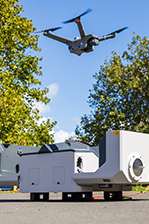
Using DJI Dock 3 for Automated Farm Inspections
Farmers already have plenty of ways to get around their property. Utes, quad bikes, side-by-sides and boots on the ground all have their place, but there are times when getting to a particular part of the farm just to see what is happening can take more time than the inspection itself.
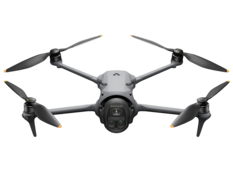
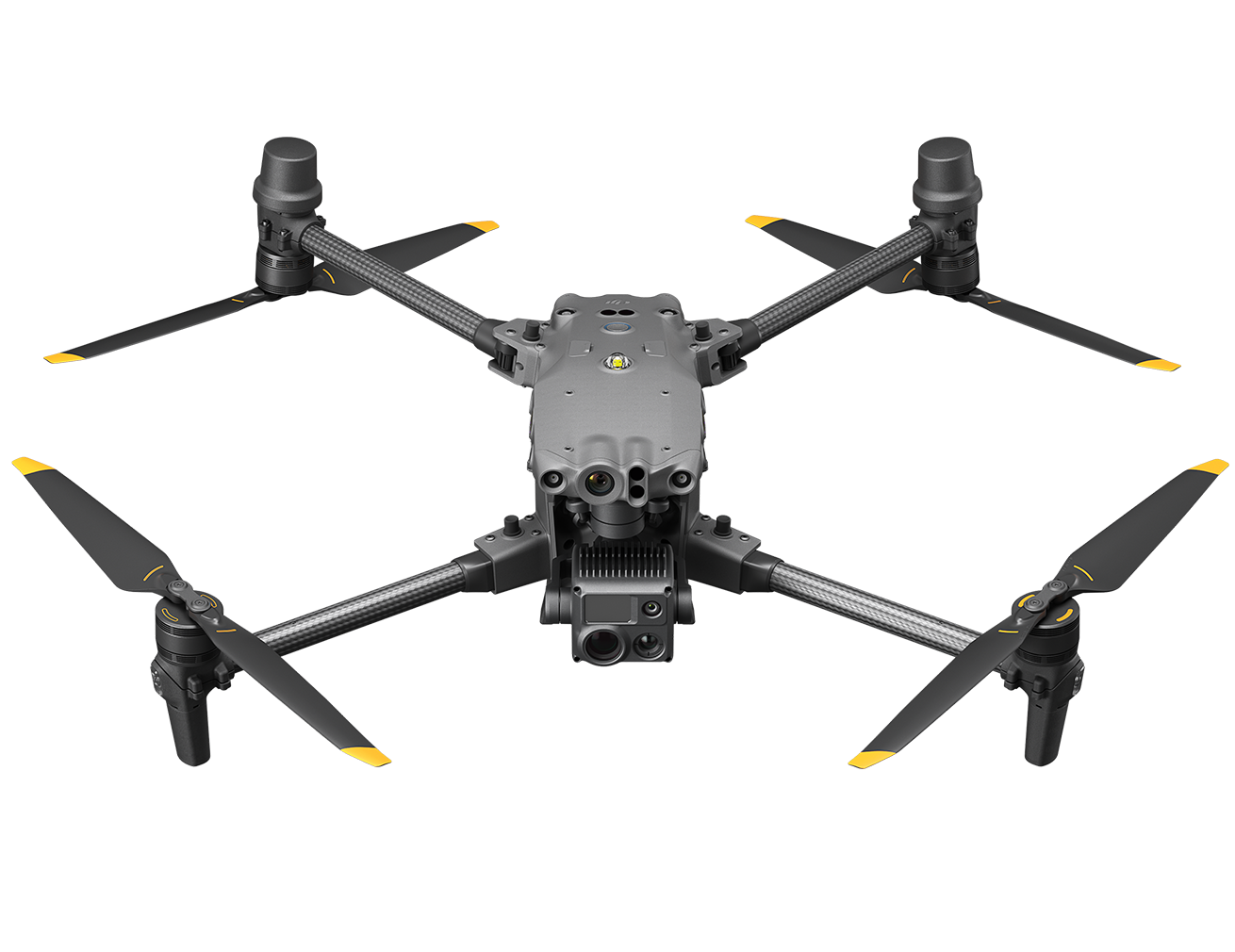
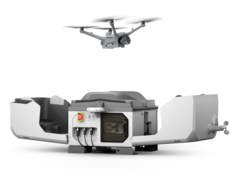
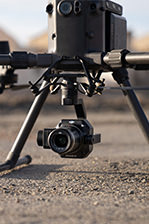
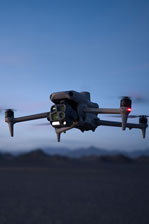
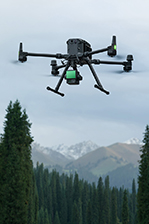
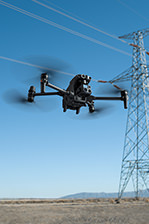
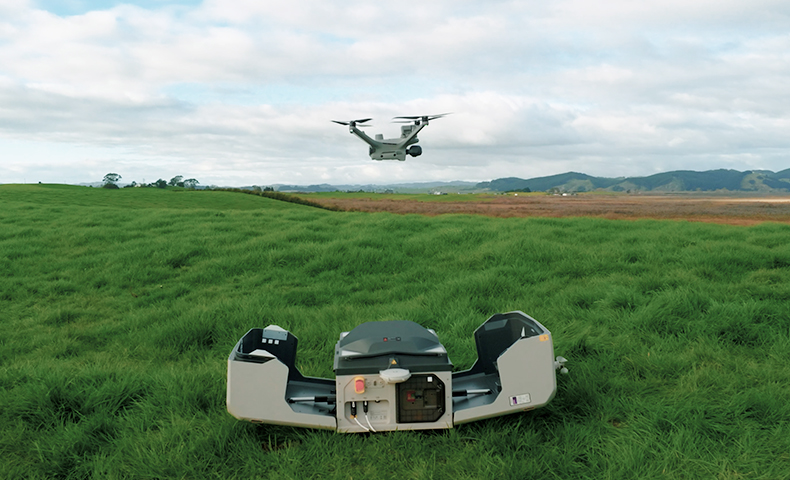
That is where an autonomous drone can become another useful tool on the farm. DJI Dock 3, paired with the DJI Matrice 4TD, can automate regular aerial inspections, allowing farmers to check selected areas of the property, follow planned routes and capture visual and thermal imagery before returning to the dock ready for its next flight.
From checking fence lines and water infrastructure to locating stock in difficult areas, an aerial view can give farm teams another way to see what is happening and decide where their attention is actually needed.
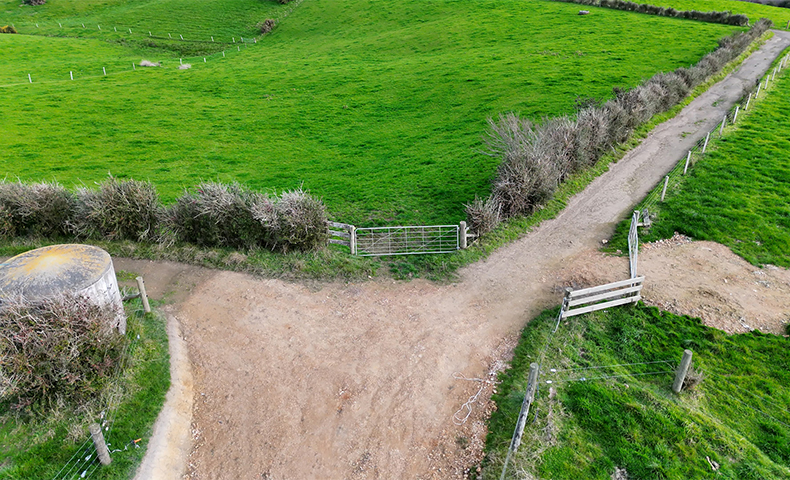
Check Fences, Gates and Water Points
Regular aerial checks can provide a quick way to keep an eye on fences, gates and water points across the property. Planned routes can follow the same fence lines or visit the same water points on a regular basis, making it easier to spot damage or changes over time.
After strong winds or heavy rain, an aerial check can also help identify areas that may need closer attention, giving the farm team a better idea of where to send someone for a ground inspection.
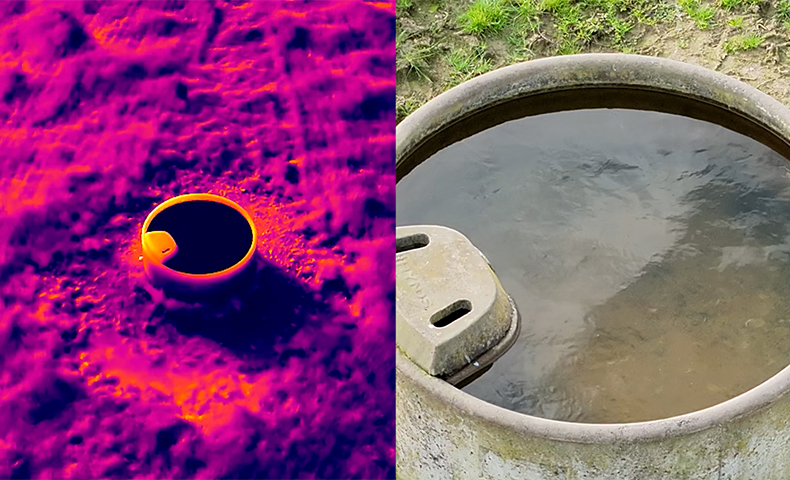
Get a Different View of Water Infrastructure
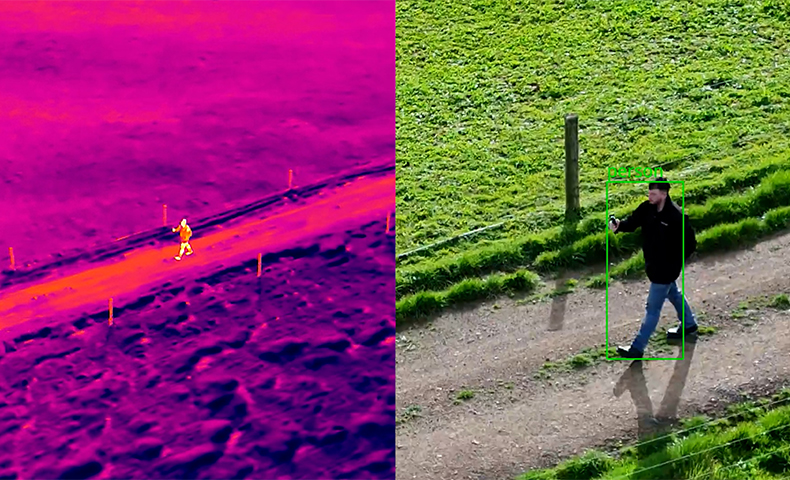
The Matrice 4TD adds thermal imaging to its high-resolution visual cameras, providing another way to inspect water infrastructure such as tanks, troughs, pumps and pipes.
Thermal imagery can highlight temperature differences that may warrant further investigation, while the visual cameras provide detail on the surrounding infrastructure. This can be particularly useful when checking equipment or infrastructure in areas that are difficult to access.
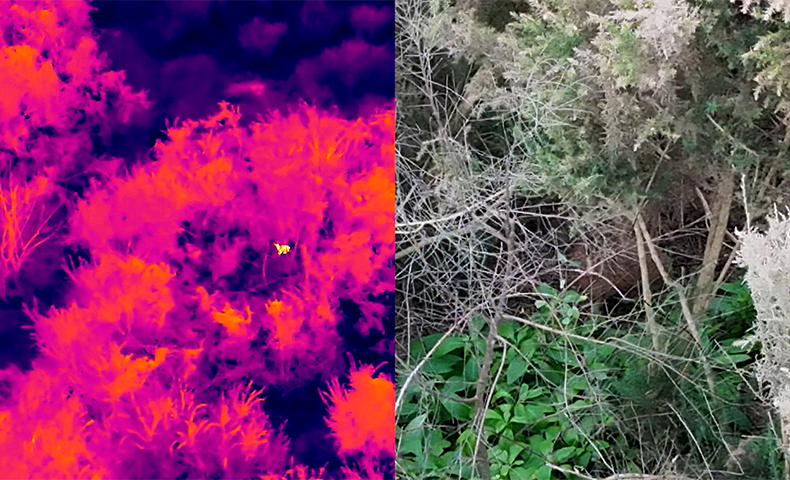
Find Stock in Difficult Areas
The Matrice 4TD's thermal camera can help locate animals in thick scrub, gullies and other areas where they can be difficult to spot from the ground. A quick aerial survey can show where stock are before a muster, while the same thermal capability can be useful for checking bush margins and other areas for potential pest activity.
Keep an Eye on the Same Areas
DJI Dock 3 is particularly useful when the same areas need to be checked regularly. Using DJI FlightHub 2, operators can plan and manage repeatable flight routes and review the imagery captured during each mission.
Flying the same routes makes it easier to compare what has changed over time, whether that means checking a section of boundary fence each week, monitoring remote water points or carrying out a quick survey after severe weather.
Over time, this can help agricultural teams spot changes earlier and focus their attention where it is needed, rather than checking every part of the property in the same way every time.
Ready for Regular Use
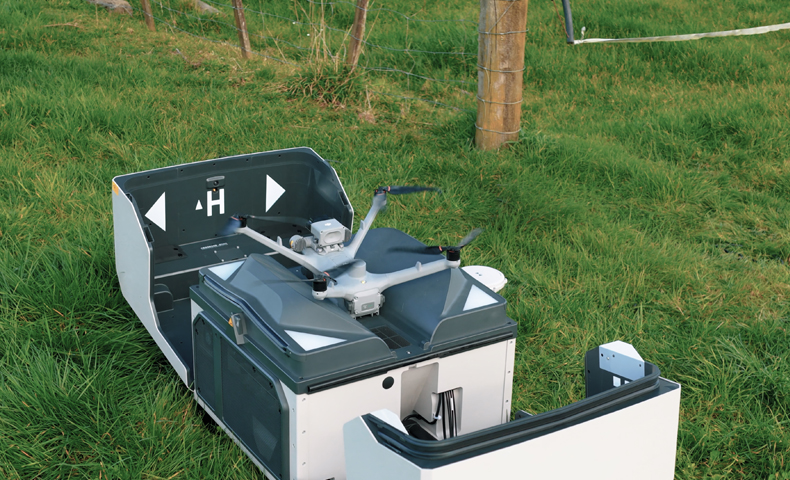
The Matrice 4TD can achieve up to 54 minutes of flight time, while DJI Dock 3 can recharge the aircraft from 15% to 95% in approximately 27 minutes. The Matrice 4TD is rated IP55 for protection against dust and water, while DJI Dock 3 is rated IP56.
DJI Dock 3 is designed for outdoor deployment with an operating temperature range of -30°C to 50°C, while the Matrice 4TD is rated for operation from -20°C to 50°C. Actual flight time and coverage will depend on the route, terrain, weather and operating conditions.
What You Need to Consider
An autonomous drone still needs the right setup to work well. The dock needs a suitable location with reliable power and communications, while planned flight routes need to account for the property's terrain, surrounding airspace and the type of inspections being carried out.
Drone operations in New Zealand also need to follow Civil Aviation Authority (CAA) rules, and depending on how the system is intended to operate, additional approvals or certification may be required.
This is why a proper farm assessment is the first step. The right dock location, communications, flight routes and operating requirements all need to be considered before the system goes into service.
Another Tool for the Farm
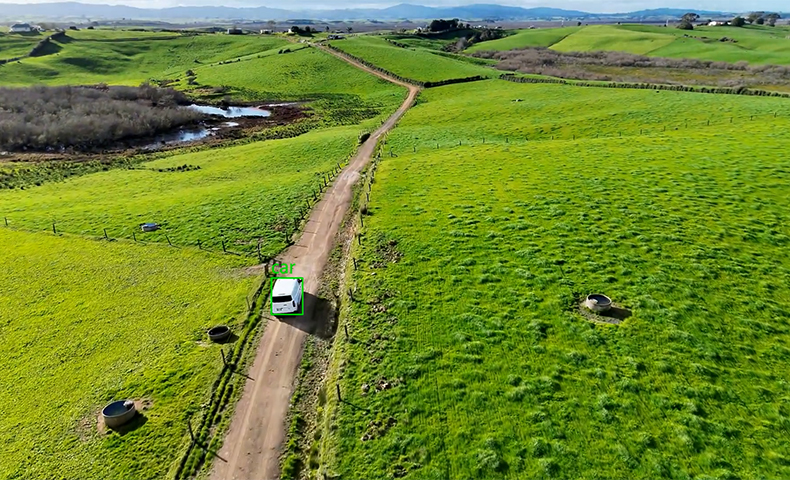
An autonomous drone is not the answer to every farm inspection. The value of DJI Dock 3 is having another option when an aerial view can make it easier to see what is happening across the property.
Whether a fence line is difficult to reach, a remote water point needs checking, stock are difficult to locate or an area needs to be surveyed after bad weather, the Matrice 4TD can provide information from the air to help teams decide where their attention is needed.
For farms with large areas to monitor, that extra visibility can help teams make better decisions about where to send people, potentially saving unnecessary trips across the property.
Ferntech works with New Zealand agricultural and commercial operators to assess how DJI Dock 3 could fit alongside the equipment and workflows they already use, including farm assessment, site planning, communications, training, regulatory requirements and implementation.
DJI Dock 3 Farm Inspection FAQs
Can DJI Dock 3 inspect farm fences?
Yes. Planned drone routes can be used to repeatedly inspect fence lines and identify areas that may require closer attention.
Can DJI Dock 3 inspect water infrastructure?
Yes. The Matrice 4TD can capture visual and thermal imagery of tanks, troughs, pumps and other water infrastructure.
Can DJI Dock 3 find livestock?
The Matrice 4TD's thermal camera can help locate animals, particularly where they are difficult to see from the ground or in vegetation.
Can DJI Dock 3 operate autonomously?
DJI Dock 3 is designed for automated drone operations, with the Matrice 4TD launching from and returning to the dock for planned missions.
Does DJI Dock 3 replace farm inspections?
No. It provides another way to inspect selected areas and can help teams identify where a closer ground inspection is needed.
Interested in DJI Dock 3 for your farm?
Fill out the form below and talk to the Ferntech team about your property, inspection requirements and how an autonomous drone could fit into your existing workflow.
SPEAK WITH A SPECIALIST
Contact our team today to discuss the right solution for you.