

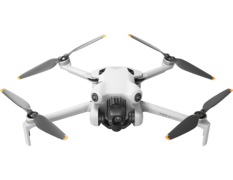
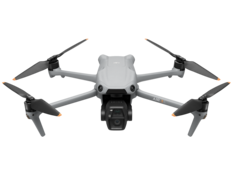
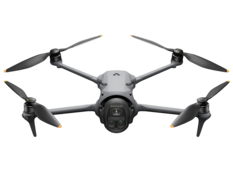
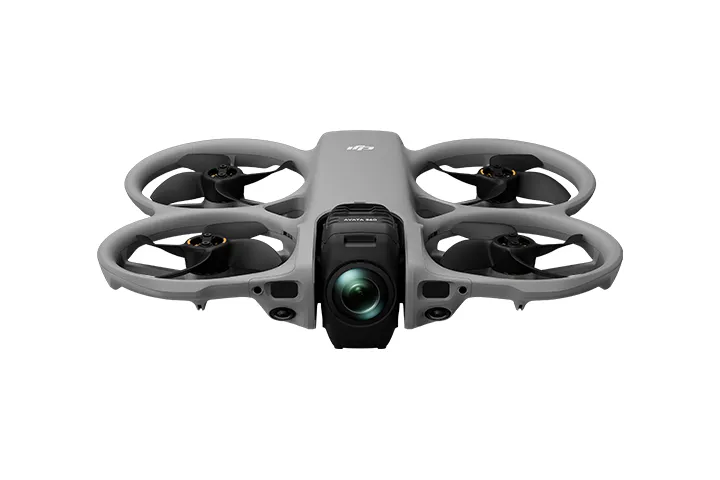
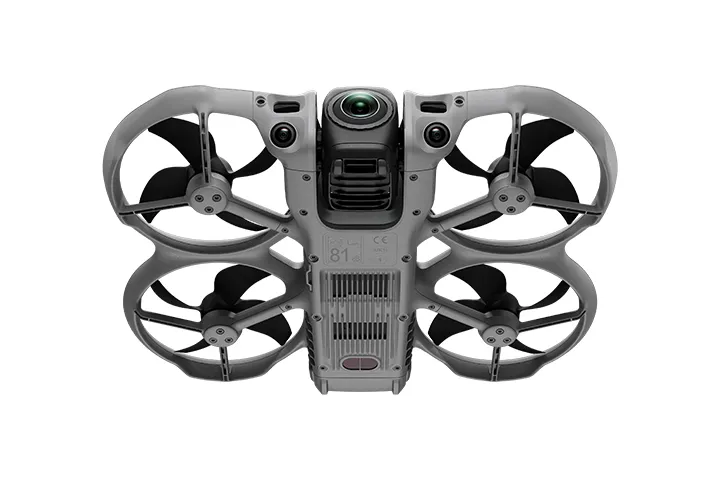
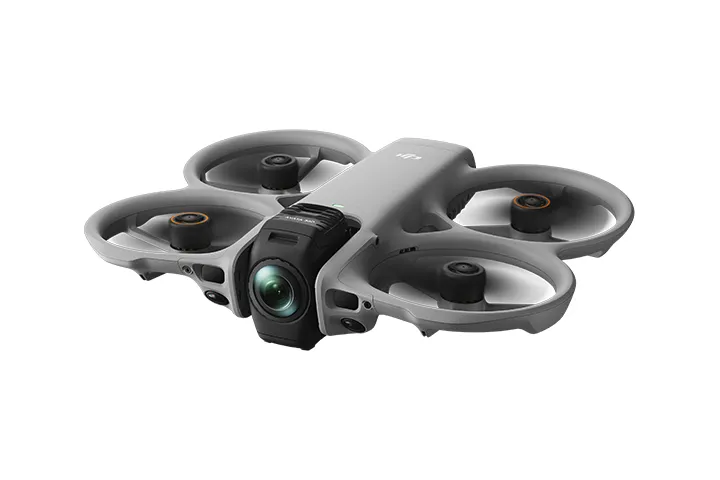
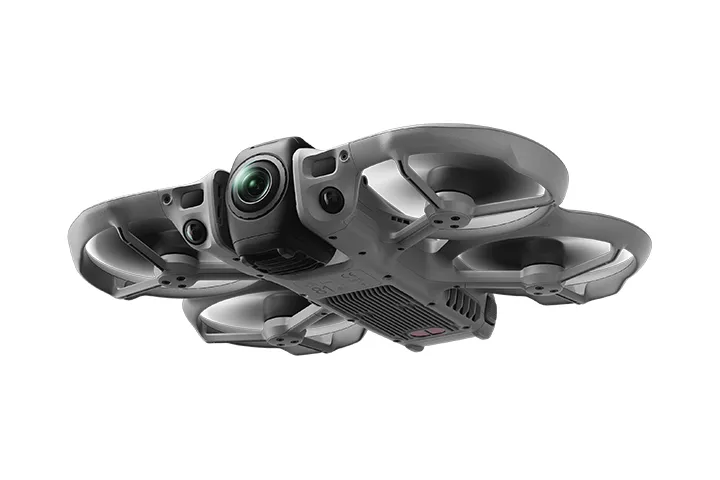
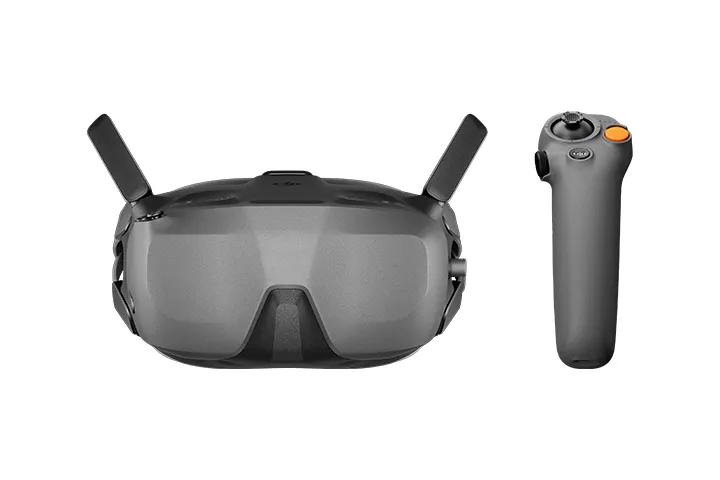
DJI Avata 360 Motion Fly More Combo (DJI Goggles N3)
Or 4 interest-free payments of $474.75 with 
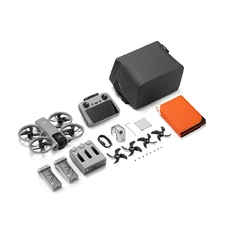
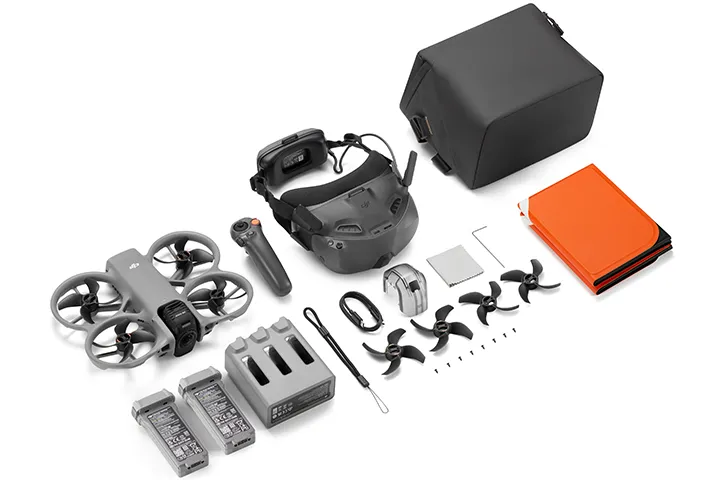
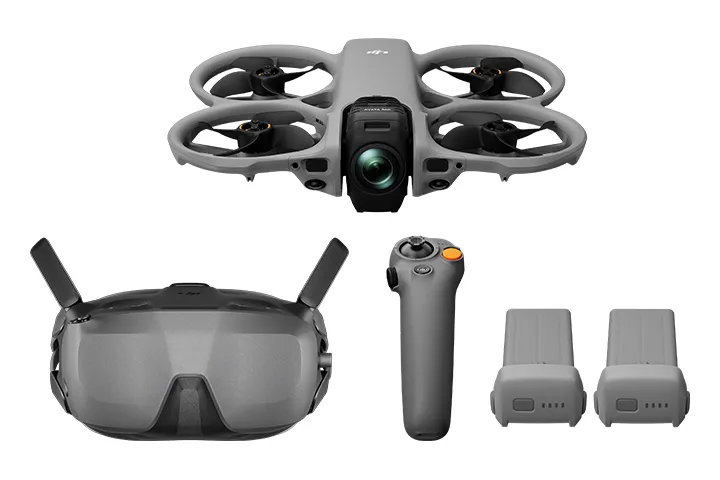
Experience the ultimate immersive flight with head-tracking control. This premier kit includes DJI Goggles N3, DJI RC Motion 3, three Intelligent Flight Batteries, a charging hub, and a Sling Bag.
Online Warehouse: Available5
Auckland Click & Collect: Only 1 Left!1
Christchurch Click & Collect: Only 1 Left!1
- Free Shipping on all orders over $350
- Order before 2.00pm for same day dispatch
- Click & collect from Auckland & Christchurch stores
- Local warranty, support and repairs
Top accessories
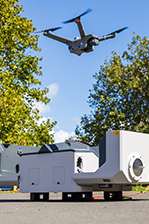
Reimagine the flight experience with flagship 360° imaging. Introducing Avata 360, capturing every epic moment in all its glory. Take to the skies, embrace the infinite, and unlock a new dimension of 360° creativity. As New Zealand's most trusted DJI experts, Ferntech is proud to offer this revolutionary platform.
.jpg)
Brilliant Imaging, Boundless Creativity
On a 1-inch-equivalent image field[1], your world unfolds freely in superb image quality. Capture 8K/60fps HDR video or 120MP photos with rich detail. Avata 360 disappears in the footage, leaving a pure, open view.
1-Inch Flagship Imaging[1], 8K/60fps HDR Video[2]
With 1-inch-equivalent sensors[1], large 2.4 μm pixels, and high dynamic range, light and shadow are captured with exquisite clarity. 8K/60fps HDR 360° video provides sufficient resolution for sharp cropped shots.
120MP 360° Photo[11]
Capture 120MP/16K 360° photos[11] with a single tap. Preserve the 360° world with sharp details and vast views, then reframe freely in post to create multiple distinct images.
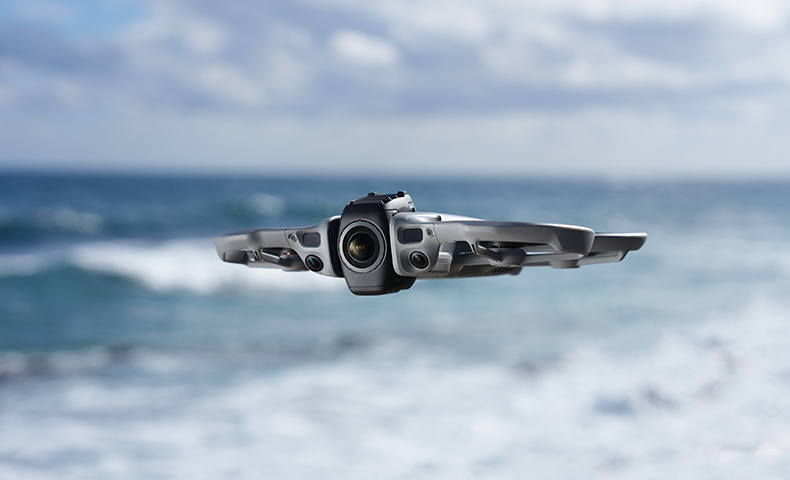
One Drone, Two Forms, Endless Fun
Seamlessly switch from 360° to Single Lens mode for classic Avata-style filming in 4K/60fps[4].
Powerful Video Transmission, Immersive Flight
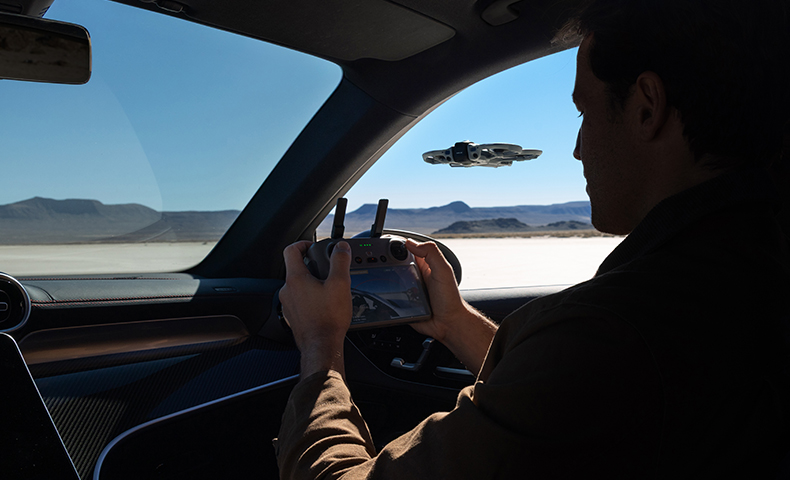
Avata 360 features the O4+ video transmission system, delivering stable, clear live feeds for smoother, more immersive flight. With flexible control options, you can use it for aerial filming, immersive flight with 360° imaging, and Easy ACRO.
O4+ FHD Video Transmission
DJI O4+ video transmission system features strong anti-interference capabilities, delivers high-definition, high-frame-rate transmission at 1080p/60fps, and supports a range of up to 20 km[5].
FPV Flight & Aerial Filming in One Drone
Choose RC 2 for precise camera movement. Or use Goggles 3/N3 paired with RC Motion 3 for immersive flight with 360° imaging. Your view moves naturally with your head, making you feel like you're floating in the clouds, overlooking the world.
Dual-Channel Colour Video Transmission
When used as the main feed, both channels support 1080p/60fps. The Vision Assist view is also FHD and full colour, helping you clearly understand your surroundings.
Easy ACRO
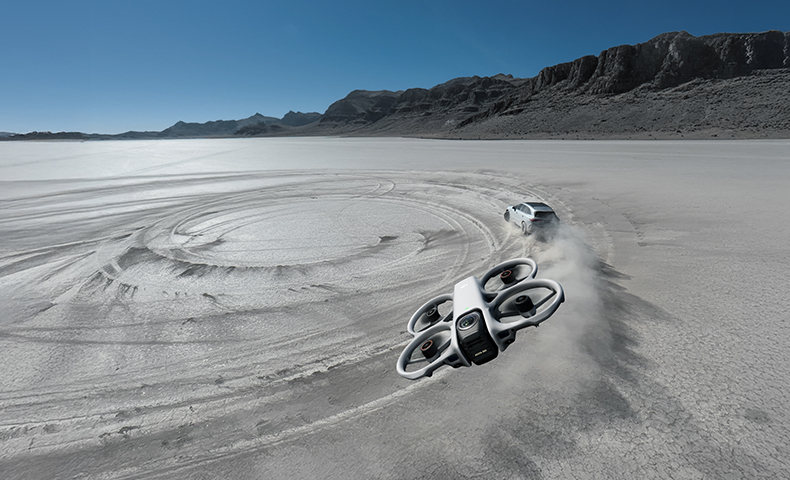
Even beginners can use DJI RC Motion 3 to easily perform acrobatics like drifting.
Fly With Confidence, Create With Ease
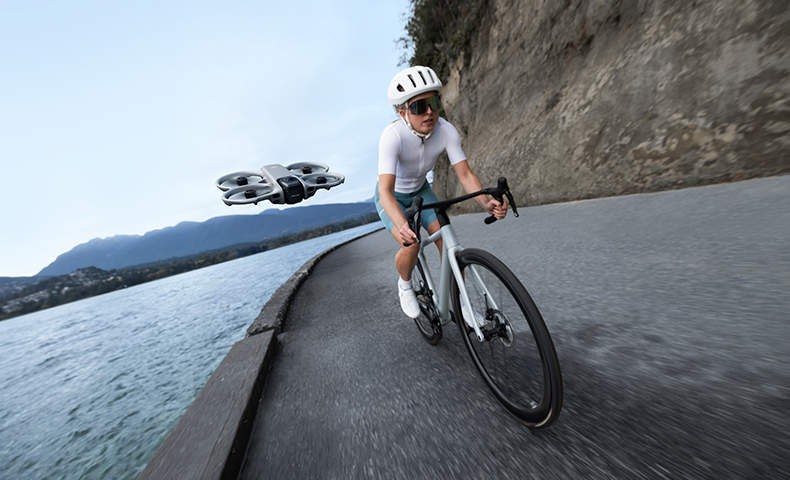
Even beginners can capture visually striking dynamic tracking shots with Avata 360. Omnidirectional obstacle sensing and the integrated propeller guard help you fly and film with peace of mind.
Omnidirectional Obstacle Sensing[3] & Propeller Guard
Equipped with forward-facing LiDAR, Avata 360 features nightscape omnidirectional obstacle sensing[3] in 360° mode, effective even during dynamic tracking shots. The integrated propeller guard adds another layer of safety.
ActiveTrack 360°[6]
ActiveTrack 360° automatically selects the optimal tracking mode. In Standard mode, the drone maintains a steady distance and altitude relative to the subject, while Cycling mode reacts faster to turns, keeping the subject locked and framed even in complex environments.
More Dynamic, More Thrilling
The FPV gimbal mode[2] adds a natural roll effect to Spotlight Free, ActiveTrack 360°, and manual flights, giving your footage a dynamic, FPV-style look with an intense sense of speed. You can even apply or switch to this mode in post-production.
Spotlight Free[2] for Instant Shareable Footage
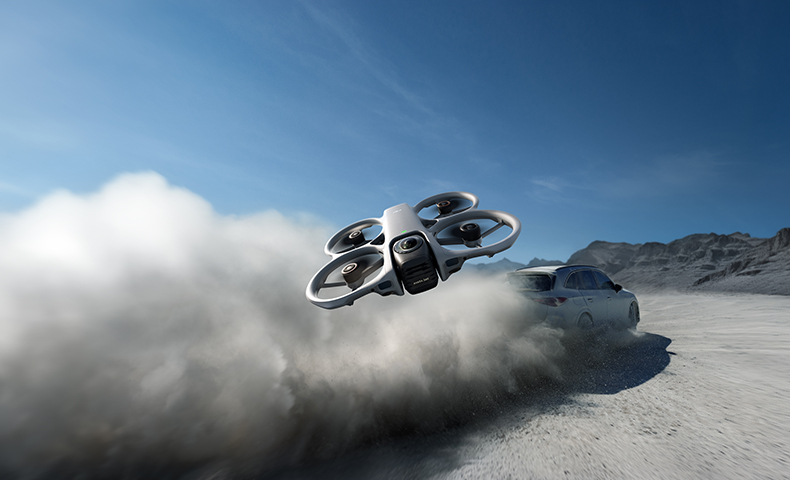
No need to aim. Spotlight Free[2] locks onto a moving subject and assists with camera movement. Just fly freely, and you can replicate sophisticated camera language that once required a pro with Inspire 3, easily nailing epic shots.
Spotlight Free[2]
The Free mode in Spotlight[2] locks onto a moving subject and assists with camera movement. Simply fly and effortlessly nail epic shots—even without editing.
Spotlight
The drone's nose faces your subject, locking it in the frame. Effortlessly capture Circle or Dronie shots without manual adjustments.
Instant Mastery, Instant Magic
With 360° imaging, Avata 360 brings an exceptional experience to aerial content creation. Export directly with your original perspective, or reframe in post-production, transforming a single take into multiple creative possibilities.
Infinite Creativity From One Take[2]
Capture a full 360° view in a single flight. In post, reframe from any perspective to turn one clip into multiple creations.
Unlimited Rotation, Unbound Vision
360° imaging enables infinite rotation and tilt control. Even when flying in one direction, you can effortlessly rotate the horizons, look back at beautiful scenery, make the view do a flip, smoothly zoom from standard views to Asteroid effects, or create the dolly zoom effect.
Direct Export, Instant Masterpiece
Export footage directly based on your original framing. Skip complex post-production and create cinematic work in a single, seamless step.
360° Editing Made Easy
Intelligent Tracking
Powered by advanced algorithms, DJI Fly and DJI Studio make it effortless to lock onto and smoothly track people, vehicles, boats, and more, even in 360° footage.
GyroFrame
In DJI Fly, simply move your phone to find and lock in your ideal angle, then export your creation with a single tap. 360° editing, made intuitive and seamless.
One-Tap Reframing
In DJI Fly and DJI Studio, you can add camera movement effects with a single tap.
Multi-Platform Editing
Edit fully in DJI Fly or DJI Studio, with DJI Studio providing rich tools for a seamless workflow. You can also create 360° masterpieces directly in Premiere with the plugin.
Thoughtful Details
Key details, including lenses, storage, transmission, and battery life, have all been carefully considered.
Replaceable Front Lens Element
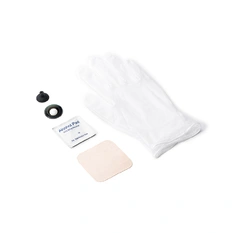
The front lens elements feature a replaceable design. Purchase a Replacement Lens Kit With Tools[7], and you can easily replace the old lens element yourself—no need to send it in for repair.
42GB Internal Storage
With 42GB of internal storage, you can record about 30 minutes of 360° video in 8K. Capture brilliant moments instantly, even without a microSD card.
Wi-Fi 6 High-Speed Transfer
Wake Avata 360 and download footage via the DJI Fly app within Bluetooth range—no need to take out the drone. Transfer 1 GB in 10 seconds at up to 100 MB/s[8]. Downloads continue smoothly in the background, even if you switch apps.
23-Min Flight Time[9]
Avata 360 offers up to 23 minutes of flight time[9]. The charging hub supports PD fast charging and parallel charging[10], getting you back in the air quickly.
Notes
* All videos and images on this page were shot using DJI Avata 360 by professionals in strict compliance with local laws and regulations and have been variously edited in post-production.
All videos and images are for reference only. Always observe local laws and regulations and ensure the aircraft has obtained relevant certifications and airspace authorizations before flying.
** All data on this page was collected with a production model of DJI Avata 360 in a controlled test environment. Actual experience may vary depending on the environment, usage, and firmware version.
*** All images, videos, and screen display contents about the product itself on this page are for reference only. Actual product effects (including but not limited to appearance, colour, and size) and screen display contents (including but not limited to backgrounds, UI, and illustrations) may vary.
- Only available in 360° mode. When capturing 360° content, each of DJI Avata 360's two CMOS sensors features an imaging area equivalent to that of a 1‑inch CMOS sensor with a 4:3 aspect ratio.
- Only available in 360° mode.
- Conditions for enabling nightscape omnidirectional obstacle sensing: The drone's front, back, left, right, or top sides are within range of surfaces with discernible textures with illuminance that exceeds 1 lux. Similarly, the ground below is textured and diffusely reflective with a reflectivity above 20% (such as walls, trees, or people), also in lighting conditions with illuminance higher than 1 lux. DO NOT fly in severe weather conditions, such as in strong winds (wind speed of 10.7 m/s or more), snow, rain, lightning, or fog. DO NOT fly the aircraft 5,000 m (16,404 ft.) or higher above sea level. DO NOT fly the aircraft in environments where the temperature is below -10° C (14° F) or above 40° C (104° F). DO NOT take off from moving objects, such as cars or boats. DO NOT fly close to reflective surfaces such as water or snow. Otherwise, the vision system may not work correctly. The vision system may not work properly in dim environments. Always fly with caution and prevent the aircraft from entering Attitude mode. DO NOT fly near areas with magnetic or radio interference. Familiar magnetic or radio interference sources include Wi-Fi hotspots, routers, Bluetooth devices, high-voltage lines, large-scale power transmission stations, radar stations, mobile base stations, and broadcasting towers. Avoid sand entering the aircraft when taking off in desert or beach areas. Fly the aircraft in open areas away from crowds. Buildings, mountains, and trees may block the GNSS signal and affect the onboard compass. Omnidirectional Obstacle Sensing is effective only in 360° mode on surfaces with discernible textures and in lighting conditions of 1 lux or greater, and is not available when entering the playback interface. In Single Lens mode, only forward obstacle sensing is supported.
- In Single Lens mode, 4:3 aspect ratio video recording is only supported when used with Goggles 3/N3 paired with RC Motion 3 or FPV Remote Controller 3.
- Measured in an outdoor, open environment, without interference, and with FCC compliance. The 20 km transmission distance is only achievable under FCC standards; in mainland China, the SRRC standard is adopted, with a maximum transmission distance of 10 km. The above data shows the farthest communication range for one-way, non-return flights. Always pay attention to reminders in the app during your flight.
- ActiveTrack 360° requires an RC 2, RC-N2, or RC-N3 remote controller. It is recommended to use the ActiveTrack 360° feature in open environments. Refer to the user manual for unsupported scenarios or scenarios that may potentially interrupt recording. In complex environments with many obstacles, exercise caution when using Auto mode to ensure flight safety and personal safety.
- Sold separately.
- Measured using internal storage or a high-speed microSD card in a low-interference laboratory environment in countries/regions that support both 2.4 GHz and 5.8 GHz. Actual download speeds may vary.
- Measured flying at a constant 21.6 kph in a windless environment at sea level, with the camera in photo mode, from 100% battery level until 0%. Data is for reference only. Always pay attention to reminders in the live view during your flight.
- Parallel charging requires the DJI 65W Portable Charger or DJI 100W USB-C Power Adapter. With an input of 65 W or higher, the hub supports parallel charging. Otherwise, it charges sequentially, prioritizing the highest battery level.
- For 120MP/16K 360° photos, the resolution is 15520×7760 (120 MP) in JPEG and 15360×7680 (118 MP) in DNG.
Product Specifications
Aircraft
Takeoff Weight: Approx. 455 g
Dimensions: 246×199×55.5 mm (L×W×H)
Max Ascent Speed: 2 m/s (Cine mode)
6 m/s (Normal mode)
10 m/s (Sport mode)
Max Descent Speed: 1.5 m/s (Cine mode)
6 m/s (Normal mode)
10 m/s (Sport mode)
Max Horizontal Speed: At sea level, in windless conditions:
6 m/s (Cine mode)
16 m/s* (Normal mode)
18 m/s (Sport mode)
Measured in a controlled wind tunnel environment under conditions equivalent to windless operation and sea-level altitude, with the aircraft ascending vertically to a height of 1.5 meters above the ground. Actual experience may vary depending on the environment, usage, and firmware version.
* Up to 12 m/s in Normal mode by default, adjustable to 16 m/s in settings.
Max Takeoff Altitude: 4500 m
Measured in a windless environment when taking off from an altitude of 4500 m and ascending vertically by 500 m, using Sport mode, and from 100% battery level until 20%. Data is for reference only. Always pay attention to reminders on the camera view during your flight.
Max Flight Time: Approx. 23 mins
Measured in a controlled wind tunnel environment under conditions equivalent to windless operation and sea-level altitude, with the aircraft flying forward at a constant speed of 21.6 kph, Obstacle Avoidance Action set to Brake, and the camera in Photo mode, until a forced landing due to battery depletion. Actual experience may vary depending on the environment, usage, and firmware version.
Max Hovering Time: Approx. 22 mins
Measured when hovering in a windless environment at sea level, and the camera in photo mode, until a forced landing due to battery depletion. Data is for reference only. Actual experience may vary depending on the environment, usage, and firmware version.
Max Flight Distance: 13.5 km
Measured in a controlled wind tunnel environment under conditions equivalent to windless operation and sea-level altitude, with the aircraft flying forward at a constant speed of 39.6 kph, Obstacle Avoidance Action set to Brake, and the camera in Photo mode, until a forced landing due to battery depletion. Actual experience may vary depending on the environment, usage, and firmware version.
Max Wind Speed Resistance: 10.7 m/s (Level 5)
Max Pitch Angle: 48°
Operating Temperature: -10° to 40° C (14° to 104° F)
Global Navigation Satellite System: GPS + Galileo + BeiDou
Hovering Accuracy Range: Vertical:
±0.1 m (with vision positioning)
±0.5 m (with satellite positioning)
±0.3 m/3 mins (with ETK positioning)
Horizontal:
±0.3 m (with vision positioning)
±1.5 m (with satellite positioning)
±0.3 m/3 mins (with ETK positioning)
Internal Storage: 42 GB
Class: C1 (EU)
Camera
Image Sensor: Two 1/1.1-Inch Square CMOS Sensors
Effective Pixels per Sensor: 64MP
Lens: FOV: 200°
Format Equivalent: 7.8 mm
Focal Length: 2.5 mm
Aperture: f/1.9
Focus mode: FF
Focus: 1.5 m to ∞
ISO Range: 360° Video:
8K@60/50/48fps: 100-12800 (Normal/D-Log M)
8K@30/25/24fps: 100-25600 (Normal), 100-12800 (D-Log M)
6K@60/50/48/30/25/24fps: 100-25600 (Normal), 100-12800 (D-Log M)
360° Photo: 100-6400
Single-Lens Video: 100-12800
Shutter Speed: Video: 1/8000-1/25 s
Photo: 1/8000-1/30 s
Still Photography Mode: Single Shot:
In 360° mode, the resolution is 30 MP* or 120 MP**.
* For 30MP/8K 360° photos, the resolution is 7776×3888 (30 MP) in JPEG and 7680×3840 (29.49 MP) in DNG.
** For 120MP/16K 360° photos, the resolution is 15520×7760 (120 MP) in JPEG and 15360×7680 (118 MP) in DNG.
Max Image Size: 360° Photo: 15520×7760
Photo Format: JPEG/DNG
Video Resolution: 360° Mode:
8K (2:1): 7680×3840@60/50/48/30/25/24fps
6K (2:1): 6000×3000@60/50/48/30/25/24fps
Single Lens Mode:
4K (4:3)*: 3840×2880@60/50/48/30/25/24fps
4K (16:9): 3840×2160@60/50/48/30/25/24fps
2.7K (4:3)*: 2688×2016@120/100/60/50/48/30/25/24fps
2.7K (16:9): 2688×1512@120/100/60/50/48/30/25/24fps
* Only supported when using DJI Goggles 3/N3 paired with DJI RC Motion 3 or DJI FPV Remote Controller 3.
Video Format: OSV/MP4 (H.265)
Max Video Bitrate: 180 Mbps
Color Mode: Normal
D-Log M
EIS: Single Lens Mode:
With RC 2/RC-N2/RC-N3: Supports only RockSteady
With Goggles 3/N3 paired with RC Motion 3 or FPV Remote Controller 3: Supports a switch between RockSteady and HorizonBalancing
Camera FOV: Single Lens Mode:
With RC 2/RC-N2/RC-N3: Natural Wide
With Goggles 3/N3 paired with RC Motion 3 or FPV Remote Controller 3: Standard (Dewarp)/Wide/Natural Wide
Supported File System: exFAT
Gimbal
Stabilization: Single-Axis Mechanical Gimbal (tilt)
360° Virtual Gimbal
Controllable Range: Single-Axis Mechanical Gimbal:
Tilt (With RC 2/RC-N2/RC-N3): -30° to 60°
Tilt (With Goggles 3/N3 paired with RC Motion 3 or FPV Remote Controller 3): -60° to 60°
360° Virtual Gimbal:
Tilt: -180° to 180°
Roll: -180° to 180°
Max Control Speed: Single-Axis Mechanical Gimbal:
Tilt: 100°/s
360° Virtual Gimbal:
Tilt: 100°/s
Roll: 100°/s
Angular Vibration Range: Single-Axis Mechanical Gimbal:
±0.01°
Sensing
Sensing Type: Omnidirectional vision system, supplemented with forward-facing LiDAR and an infrared sensor at the bottom of the aircraft
Forward: Measurement Range: 0.5-20 m
FOV: Horizontal 90°, Vertical 90°
Backward: Measurement Range: 0.5-18 m
Lateral: Measurement Range: 0.5-18 m
Upward: Measurement Range: 0.5-18 m
Downward: 3D ToF Effective Measurement Height: 10 m
Precise Hovering Range: 0.3-10 m
3D ToF FOV: Horizontal 60°, Vertical 60°
Measurement Range: 0.5-20 m
FOV: Horizontal 90°, Vertical 90°
Operating Environment: Diffuse reflective surfaces with discernible patterns, diffuse reflectivity > 20% (such as concrete pavement)
Adequate lighting (lux > 1, normal indoor lighting conditions)
Video Transmission
Video Transmission System: O4+
Live View Quality: Single Lens Mode:
1080p@100*/60/50/48/30/25/24fps
360° Mode:
1080p@60/50/48/30/25/24fps
* In Single Lens Mode, 1080p/100fps is supported only when the aircraft is used with Goggles 3/N3 and RC Motion 3.
Operating Frequency: 2.400-2.4835 GHz
5.170-5.250 GHz*
5.725-5.850 GHz
* 5.170-5.250 GHz can be used only in countries and regions where permitted by local laws and regulations.
Transmitter Power (EIRP): 2.400-2.4835 GHz:
< 33 dBm (FCC)
< 20 dBm (CE/SRRC/MIC)
5.170-5.250 GHz:
< 23 dBm (CE)
5.725-5.850 GHz:
< 33 dBm (FCC)
< 30 dBm (SRRC)
< 14 dBm (CE)
Communication Bandwidth: Max 40 MHz
Max Transmission Distance (unobstructed, free of interference): FCC: 20 km
CE: 10 km
SRRC: 10 km
MIC: 10 km
Measured in an unobstructed outdoor environment free of interference. The above data shows the farthest communication range for one-way, non-return flights under each standard. Always pay attention to RTH reminders on the camera view during your flight.
Max Transmission Distance (unobstructed, with interference): Strong Interference: Urban landscape, approx. 1.5-5 km
Medium Interference: Suburban landscape, approx. 5-12 km
Low Interference: Suburb/seaside, approx. 12-20 km
Data tested under FCC standard in unobstructed environments with typical interference. Used for reference purposes only and provides no guarantee for actual transmission distance.
Max Transmission Distance (obstructed, with interference): Low Interference and Obstructed by Buildings: Approx. 0-0.7 km
Low Interference and Obstructed by Trees: Approx. 0.7-4.5 km
Data tested under FCC standard in environments with typical low interference. Used for reference purposes only and provides no guarantee for actual transmission distance.
Lowest Latency: With RC 2/RC-N2/RC-N3:
1080p/60fps Video Transmission Quality: Approx. 130 ms*
* Actual experience may vary depending on the environment, usage, and firmware version.
Max Video Bitrate: 60 Mbps
Max Download Speed: O4+: 10 MB/s
Wi-Fi 6: 100 MB/s*
* Measured in a laboratory environment with little interference in countries/regions that support both 2.4 GHz and 5.8 GHz, and when internal storage or a high-speed microSD card is used. Download speeds may vary depending on the actual conditions.
Antennas: 4 antennas, 2T4R
Intelligent Flight Battery
Capacity: ≥ 2700 mAh
Weight: Approx. 149 g
Nominal Voltage: 14.32 V
Max Charging Voltage: 17.2 V
Battery Type: Li-ion
Energy: ≥ 38.67 Wh
Discharge Rate: 7C (typical)
Charging Temperature: 5° to 40° C (41° to 104° F)
Charging Time: With Charging Hub (100W max charging power):
One Battery, From 0 to 100%: Approx. 47 min
One Battery, From 10 to 90%: Approx. 31 min
Three Batteries, From 0 to 100%: Approx. 100 min
Three Batteries, From 10 to 90%: Approx. 70 min
Directly Charging the Drone (65W max charging power):
One Battery, From 0 to 100%: Approx. 73 min
One Battery, From 10 to 90%: Approx. 51 min
Data tested under laboratory conditions at 25° C (77° F) and can be used for reference only. Actual charging time may increase due to higher ambient temperatures or variations in mains voltage between regions.
Charger
Recommended Charger: Supports DJI 65W Portable Charger and DJI 100W USB-C Power Adapter
With Charging Hub: DJI 100W USB-C Power Adapter is recommended.
Battery Charging Hub
Input: 5-20 V, max 5 A
Output (power accumulation): Max 60 W
Output (charging): Max 17.2 V
Output (USB): 30 W
Charging Type: Supports Charging up to Three batteries Simultaneously
Parallel charging requires the DJI 65W Portable Charger or DJI 100W USB-C Power Adapter. With an input of 65 W or higher, the hub supports parallel charging. Otherwise, it charges sequentially, prioritizing the highest battery level.
Compatibility: DJI Avata 360 Intelligent Flight Battery
Storage
Recommended microSD Cards: Lexar SILVER PLUS 64GB A2 V30 microSDXC
Lexar SILVER PLUS 128GB A2 V30 microSDXC
Lexar SILVER PLUS 256GB A2 V30 microSDXC
Lexar SILVER PLUS 512GB A2 V30 microSDXC
Lexar SILVER PLUS 1TB A2 V30 microSDXC
Kingston CANVAS GO! Plus 64GB A2 V30 microSDXC
Kingston CANVAS GO! Plus 128GB A2 V30 microSDXC
Kingston CANVAS GO! Plus 256GB A2 V30 microSDXC
Kingston CANVAS GO! Plus 512GB A2 V30 microSDXC
Using Lexar SILVER PLUS series microSD cards may deliver a better photography experience.
Wi-Fi
Protocol: 802.11 a/b/g/n/ac/ax
Operating Frequency: 2.400-2.4835 GHz
5.725-5.850 GHz
Transmitter Power (EIRP): 2.4000-2.4835 GHz:
< 20 dBm (FCC/CE/SRRC/MIC)
5.725-5.850 GHz:
< 26 dBm (FCC/SRRC)
<14 dBm (CE)
Bluetooth
Protocol: Bluetooth 5.4
Operating Frequency: 2.4000-2.4835 GHz
Transmitter Power (EIRP): < 10 dBm
In the box
DJI Avata 360 × 1
DJI RC Motion 3 × 1
DJI Goggles N3 × 1
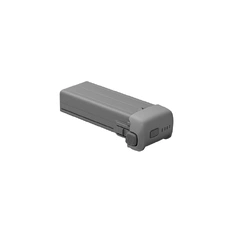
DJI Avata 360 Intelligent Flight Battery × 3
DJI Avata 360 Two-Way Charging Hub × 1
DJI Avata 360 Gimbal Protector × 1
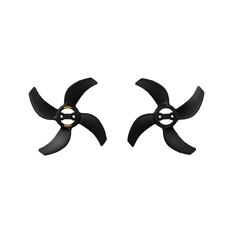
DJI Avata 360 Spare Propellers (Pair) × 2
Screwdriver × 1
DJI Avata 360 Sling Bag × 1
DJI Avata 360 Foldable Landing Pad × 1
DJI Avata 360 Lens Cleaning Cloth × 1
USB-C to USB-C Data Cable × 1
Documents (Quick Start Guide, Safety Guidelines, and DJI Logo Stickers) × 1
DJI RC Motion 3 Lanyard × 1
WHY BUY FROM US?
By buying from Ferntech, you'll have the confidence that you are dealing directly with New Zealand's leading drone experts. Our staff are knowledgable drone pilots who offer expert advice, trusted support and superior specialist service. Only through us will you receive a full New Zealand warranty, phone and email support, and access to our certified Repairs Centre with DJI-qualified drone technicians. And we guarantee that we will have the best prices on the market — if not let us know and we will match any price (conditions apply).
Warranty Details
1 year warranty
Product
What sets DJI Avata 360 apart?
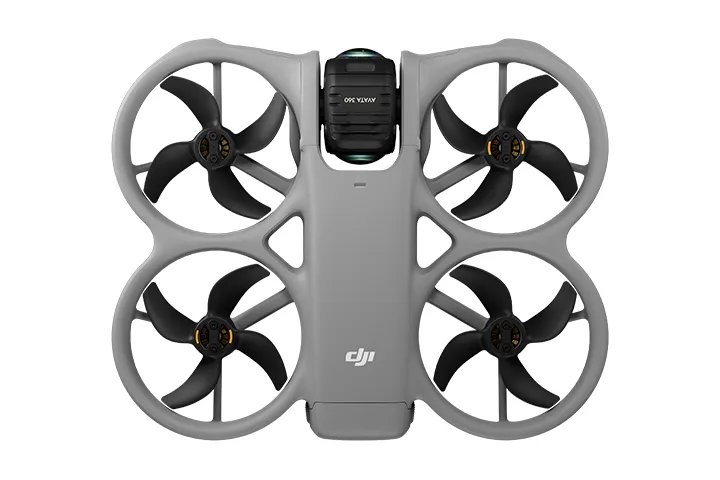
DJI Avata 360 is DJI’s first 360° drone [1]. It delivers an exhilarating, immersive flight experience while enabling creative 360° aerial filming, helping you effortlessly nail epic shots.
1. 1-Inch Flagship Imaging [2], 8K/60fps HDR Video [3]: Avata 360 is equipped with two new-generation 1/1.1-inch square CMOS sensors. The square design delivers panoramic coverage equivalent to that of a 1-inch sensor.
2. DJI O4+ Video Transmission System: Enables ultra-long-range video transmission of up to 20 km [4].
3. Omnidirectional Obstacle Sensing [5], Integrated Propeller Guard: Equipped with forward-facing LiDAR, Avata 360 features nightscape omnidirectional obstacle sensing [5] in 360° mode. The integrated propeller guard adds another layer of safety.
4. Infinite Creativity From One Take [3]: Capture a full 360° view in a single flight. In post, reframe from any perspective to turn one clip into multiple creations.
5. Spotlight Free [3] for Instant Shareable Footage: Spotlight Free [3] locks onto a moving subject and assists with camera movement. Simply fly and effortlessly nail epic shots—even without editing.
6. Supports the 360° Virtual Gimbal, allowing you to go beyond physical gimbal limits for dynamic camera moves. You can also use a remote controller with integrated screen for precise camera movement, or enjoy immersive flight with intuitive head tracking via goggles and motion controller. Experience FPV flight and aerial filming in one drone.
7. 360° and Single Lens, Flexible Dual Modes [5]: Seamlessly switch from 360° to Single Lens mode for classic Avata-style filming in 4K/60fps.
1. As of March 2026.
2. Only available in 360° mode. When capturing 360° content, each of DJI Avata 360's two CMOS sensors features an imaging area equivalent to that of a 1‑inch CMOS sensor with a 4:3 aspect ratio.
3. Only available in 360° mode.
4. Measured in an outdoor, open environment, without interference, and with FCC compliance. The 20km transmission distance is only achievable under FCC standards. The above data shows the farthest communication range for one-way, non-return flights. Always pay attention to reminders in the app during your flight.
5. Omnidirectional Obstacle Sensing is only effective on surfaces with discernible textures and in lighting conditions of 1 lux or greater, and is available only in 360° mode. In Single Lens mode, only forward obstacle sensing is supported. Refer to the official DJI website or the product's user manual for details.
Which remote controllers and goggles are compatible with DJI Avata 360?
Standard Remote Controller: DJI RC 2, DJI RC-N2, DJI RC-N3
Motion Controller (requires pairing with DJI Goggles 3 or DJI Goggles N3): DJI RC Motion 3
FPV Remote Controller (requires pairing with DJI Goggles 3 or DJI Goggles N3): DJI FPV Remote Controller 3
Goggles (require pairing with DJI RC Motion 3 or DJI FPV Remote Controller 3): DJI Goggles 3, DJI Goggles N3
How do the features of DJI Avata 360 differ across various control methods and shooting modes?
Feature availability varies based on your control method and shooting mode.
360° Mode:
8K/60fps HDR video recording, FocusTrack, the 360° Virtual Gimbal, omnidirectional obstacle sensing, and other 360°‑specific features are available only in 360° mode. Some intelligent features vary by control method.
· Only available when using goggles paired with a motion controller: features such as acrobatic maneuvers and Head Tracking.
· Only available when used with a standard remote controller: features such as QuickShots and ActiveTrack 360° in FocusTrack.
Single Lens Mode:
This mode only supports video recording, with a maximum resolution of 4K/60fps. In this mode:
· When used with goggles and motion controller, you can fly and shoot in First-Person View (FPV) for better flat video image quality.
· When used with a standard remote controller, you can also fly and shoot in First-Person View (FPV). The footage tilts with the drone's attitude, giving your footage a dynamic, FPV-style look.
What is DJI Avata 360's max wind speed resistance and max takeoff altitude?
The max wind speed resistance is 10.7 m/s (Level 5) and the max takeoff altitude is 4500 meters.
Is DJI Avata 360 waterproof?
No. Avoid contact with water during use, as it may damage the device. If it rains during the flight, return and land as soon as possible, and wait until the aircraft is fully dry inside and out before using it again.
Camera
What are the advantages of DJI Avata 360’s native 8K 360° Video?
DJI Avata 360 features two newly designed square CMOS sensors with optimized pixel arrangement, increasing each sensor's vertical pixel count to 4,000, up from 3,000 on traditional rectangular sensors. This enables native 8K (4K+4K) 360° video recording with dual lenses. With large 2.4μm pixels for enhanced light sensitivity and up to 13.5 stops of dynamic range, combined with an f/1.9 aperture, it delivers excellent high dynamic range footage and low-light image quality in both high-contrast scenes and dim environments.
How to protect the lens of DJI Avata 360?
The surfaces of both fisheye lenses feature multi-layer coatings and hardening processes, ensuring outstanding image quality. However, as camera lenses are high-precision and delicate components, careful handling and protection are still recommended.
When storing the aircraft, make sure the gimbal is locked and the gimbal protector is attached to prevent keys, sand, and other hard objects from scratching the lens surface. Before attaching, check the inside of the gimbal protector for any foreign objects to prevent sand or other hard particles from sticking to the inner surface and scratching the lens. If a front element is scratched, you can purchase the DJI Avata 360 Replacement Lens Kit With Tools to replace it.
Can the front elements of DJI Avata 360 be replaced?
The front elements feature a replaceable design. Purchase the DJI Avata 360 Replacement Lens Kit With Tools and follow the video tutorial to replace the old lens elements.
Does DJI Avata 360 support ND filters?
No.
Does DJI Avata 360 support handheld shooting?
No.
Does DJI Avata 360 support Pro mode for photos and videos?
Yes.
What resolution settings does DJI Avata 360 support?
360° Mode:
8K (2:1): 7680 × 3840@60/50/48/30/25/24fps
6K (2:1): 6000 × 3000@60/50/48/30/25/24fps
Single Lens Mode:
Single Lens 4K (4:3)*: 3840 × 2880@60/50/48/30/25/24fps
Single Lens 4K (16:9): 3840 × 2160@60/50/48/30/25/24fps
Single Lens 2.7K (4:3)*: 2688 × 2016@120/100/60/50/48/30/25/24fps
Single Lens 2.7K (16:9): 2688 × 1512@120/100/60/50/48/30/25/24fps
* Supported only when using Goggles 3/N3 paired with RC Motion 3 or FPV Remote Controller 3.
What video formats does DJI Avata 360 support?
OSV for 360° videos and MP4 (HEVC) for flat videos.
What is D-Log M color mode of DJI Avata 360?
D-Log M is a color mode that provides users with greater flexibility for color grading in post-production. By increasing the brightness of shadow areas and suppressing highlights, it preserves more image details. When shooting with D-Log M, the footage will have reduced saturation and contrast, but it retains more color and brightness information, making it easier to create different video styles during post-processing.
Does DJI Avata 360 use prime lenses?
Yes, DJI Avata 360 uses two fisheye prime lenses.
Can I shoot HDR video with DJI Avata 360?
Videos recorded by DJI Avata 360 have a high dynamic range, making an HDR mode unnecessary.
How do I edit RAW 360° photos shot on DJI Avata 360?
You can use third-party professional software for editing, and DJI Studio will support editing RAW 360° photos in the future.
App
How do I edit videos shot on DJI Avata 360?
Use the DJI Fly app on mobile devices and DJI Studio on desktop.
Which smartphones and computers are compatible with DJI Avata 360?
For a detailed list of compatible devices, please visit: https://www.dji.com/avata-360/downloads.
How do I edit videos shot on DJI Avata 360 using desktop software?
Please refer to the DJI Avata 360 tutorial videos.
System
How do I transfer files from DJI Avata 360 to a smartphone or computer?
Connect to a smartphone: You can use QuickTransfer to transfer footage to your phone. Connect to a computer: You can transfer files by connecting the aircraft to the computer with a data cable, without powering on the aircraft.
After binding DJI Avata 360 to the combo's remote controller, why does a "Connected device not bound to aircraft" prompt show when I connect a different remote controller or goggles?
The drone must be bound one-to-one with the remote controller or goggles in use. To switch to a different remote controller or goggles, you must rebind; otherwise, you can fly up to 20 times with the new device.
Flight
Does DJI Avata 360 support Manual mode (M mode)?
No.
Does DJI Avata 360 support obstacle sensing?
DJI Avata 360 supports omnidirectional obstacle sensing*, and obstacle sensing on the left, right, and rear utilizes the fisheye cameras, so omnidirectional obstacle sensing is only available in 360° mode. In Single Lens mode, only forward obstacle sensing is supported.
* Omnidirectional obstacle sensing is only effective on surfaces with discernible textures and in lighting conditions of 1 lux or greater. Refer to the official DJI product page or the product user manual for details.
Propulsion and Battery
What are the charging options for DJI Avata 360? How long does it take to fully charge?
There are two charging methods: parallel charging via the Charging Hub* or charging the aircraft body directly.
1. When using the Charging Hub (100W max charging power): With the DJI 100W USB-C Power Adapter, the charging hub charges three batteries simultaneously*, taking approx. 100 minutes** from 0% to 100% and approx. 70 minutes** from 10% to 90%. When charging a single battery, it takes approx. 47 minutes** from 0% to 100% and approx. 31 minutes** from 10% to 90%.
2. When directly charging the aircraft body (65W max charging power): With the DJI 65W Portable Charger, it takes approx. 73 minutes** to charge the battery from 0% to 100% and approx. 51 minutes** to charge the battery from 10% to 90%.
* Parallel charging requires the DJI 65W Portable Charger or DJI 100W USB-C Power Adapter. With an input of 65 W or higher, the hub supports parallel charging. Otherwise, it charges sequentially, prioritizing the highest battery level.
** Charging time is measured in a test environment with a temperature of 25°C. Actual charging time may increase due to higher ambient temperatures or variations in mains voltage between regions.
What are the functions of the DJI Avata 360 Charging Hub?
1. Charging: The Charging Hub supports PD fast-charging protocol, and can charge up to three batteries simultaneously.
2. Storage: It can store three batteries at once, making it convenient to carry and use.
3. Power Accumulation: When you insert two or more batteries, you can long-press the function button to initiate the process where lower-charged batteries transfer their power to the higher-charged one. This helps concentrate the remaining power, providing you with longer effective flight time.
Which DJI chargers are recommended for DJI Avata 360?
When charging via the Charging Hub, it is recommended to use the DJI 100W USB-C Power Adapter.
When charging via the aircraft body, it is recommended to use the DJI 65W Portable Charger or the DJI 100W USB-C Power Adapter.
Can I charge the aircraft via its USB-C port?
Yes. It is recommended to use the DJI 65W Portable Charger or other USB Power Delivery chargers for faster charging.
How often should I replace the propellers? How can I replace the propellers?
1. Check to make sure the propeller screws are tightened after every 30 hours of flight time (approx. 60 flights).
2. Instructions for installing and replacing the propellers:
a. Install the marked propellers onto the marked motors and the unmarked propellers onto the unmarked motors. Use the screws provided in the packaging of the propellers to secure the propellers. Make sure to tighten the screws. Make sure to only use the screwdriver from the aircraft package for mounting propellers. Using other screwdrivers may damage the screws.
b. If a propeller is broken, remove the propeller and screws on the corresponding motor and discard them.
c. Only use the official DJI propellers, DO NOT mix propeller types.
Video Transmission
Does the max transmission distance of the O4+ video transmission system vary according to the interference level of the environment?
In different environments, the wireless interference level is different, and the max transmission distance will vary.
Unobstructed:
Strong Interference: Urban landscape, approx. 1.5-4 km
Medium Interference: Suburban landscape, approx. 4-10 km
Low Interference: Suburb/Seaside, approx. 10-20 km
Obstructed:
Low Interference and Obstructed by Buildings: approx. 0-0.7 km
Low Interference and Obstructed by Trees: approx. 0.7-4.5 km
Data tested under FCC standard in obstructed or unobstructed environments with typical interference. Used for reference purposes only and provides no guarantee for actual transmission distance.
How do I share the live feeds of DJI Avata 360 during flight? Are there any limitations on the number of devices?
When using the goggles, there are three ways to share the live feeds:
1. Wi-Fi wireless sharing*: You can enable screen sharing from DJI Goggles 3 to a mobile phone via Wi-Fi in the goggles' menu. A mobile device can be connected to DJI Goggles 3 via Wi-Fi, and the DJI Fly app on the device will display the live video transmission of the aircraft. The wireless sharing supports connection to only one mobile device.
2. Wired sharing: You can connect a mobile device to DJI Goggles 3/N3 using a data cable and an OTG adapter cable. The DJI Fly app on the connected mobile device will then display the live feed of the drone. Wired sharing also supports only one mobile device.
3. Audience mode: Enable the broadcast function in the DJI Goggles 3/N3 menu to allow multiple DJI Goggles 3/N3 to join the broadcast channel, outputting multiple channels of live video transmission feeds. There is no upper limit to the number of DJI Goggles 3/N3 that can be connected in Audience mode.
Note: Whether it is the goggles or a mobile device, only one type of connection is supported at a time.
When using the standard remote controller, you can select a live streaming platform from the live feed menu on DJI Fly to share it online. For details, refer to: https://support.dji.com/help/content?customId=01700006727&spaceId=17
* Some countries and regions prohibit the use of the 5.1/5.8GHz frequency bands, or both. In some countries and regions, the 5.1GHz frequency band is only allowed for indoor use. If the 5.1/5.8GHz frequency bands are not available (such as in Japan), screen sharing to a smartphone via Wi-Fi is not available. To achieve screen sharing, a wired connection is recommended. Make sure to check and comply with local regulations.
There's currently no reviews for this product, be the first to write one.