

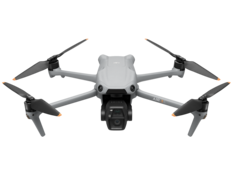
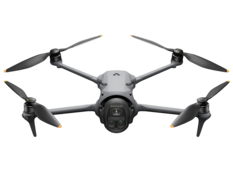
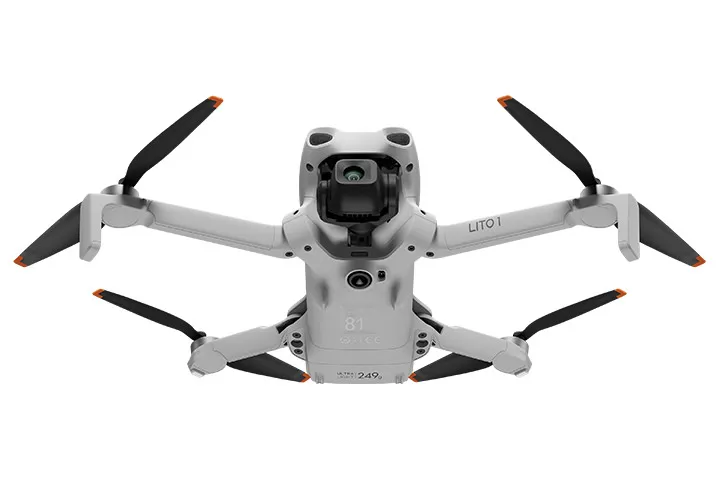
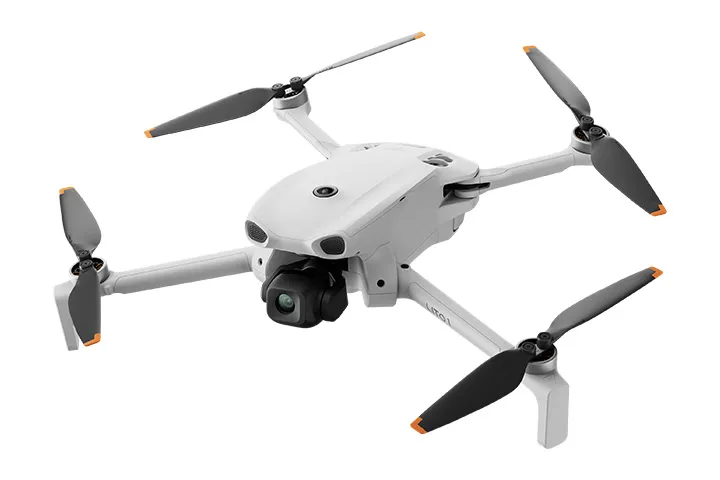
DJI Lito 1
Or 4 interest-free payments of $169.75 with 
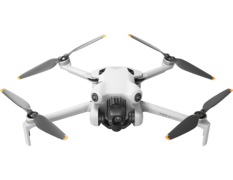
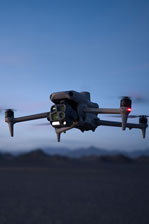
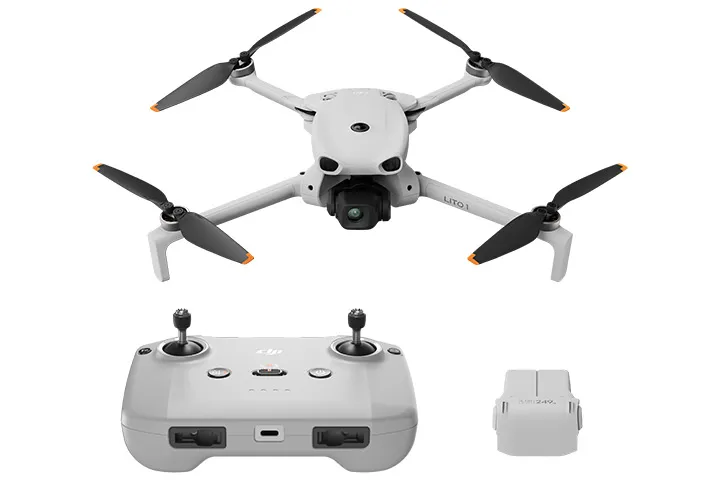
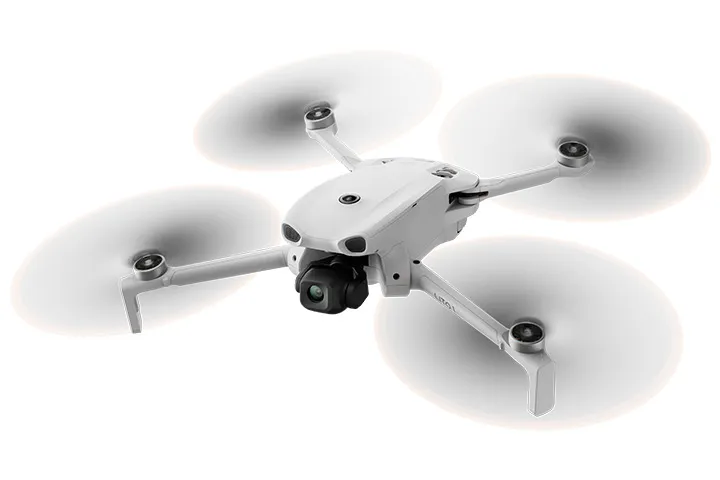
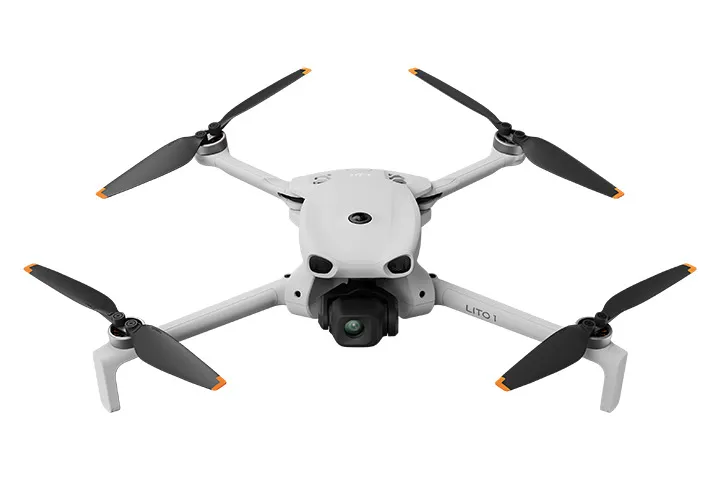
DJI Lito 1, an easy-to-use camera drone for beginners. Omnidirectional obstacle sensing helps you fly with peace of mind, while ActiveTrack keeps your subject in frame during the flight.
Online Warehouse: Only 1 Left!1
Auckland Click & Collect: Only 1 Left!1
Christchurch Click & Collect: Only 2 Left!2
- Free Shipping on all orders over $350
- Order before 2.00pm for same day dispatch
- Click & collect from Auckland & Christchurch stores
- Local warranty, support and repairs
Top accessories
DJI Lito 1, an easy-to-use camera drone for beginners. Omnidirectional obstacle sensing[1] helps you fly with peace of mind, while ActiveTrack[2] keeps your subject in frame during the flight. With a powerful imaging system and smart camera moves, even a new pilot can easily take impressive videos. Forget the complexity, just take off and start creating.
Light, Compact, and Ready to Fly
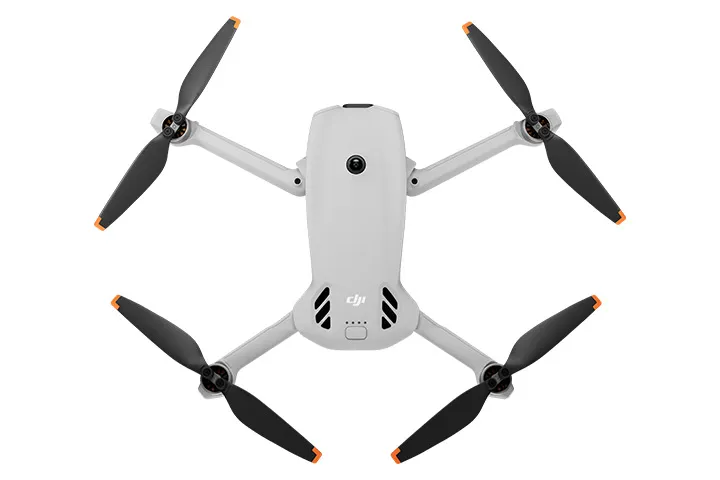
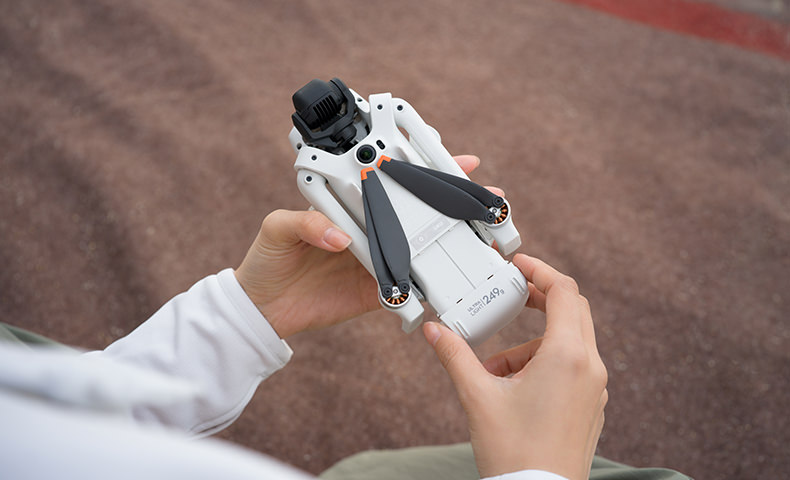
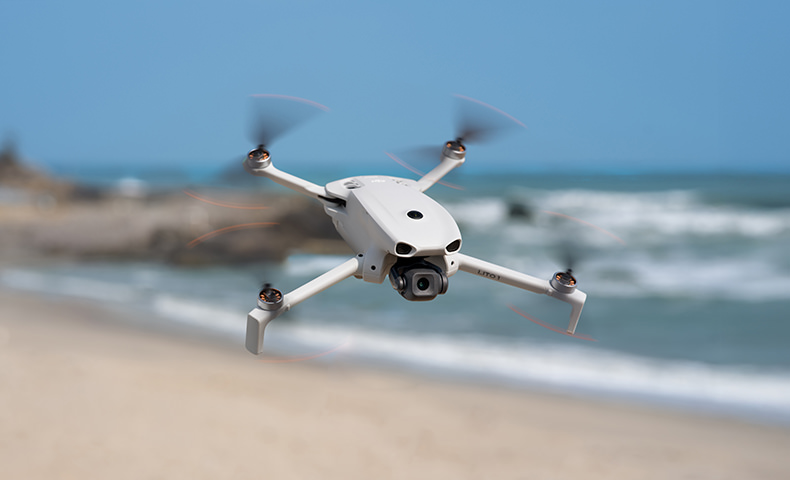
Weighing under 249 g[5], DJI Lito 1 lets you fly without registration or exams in most countries and regions[5]. Folds down to palm size and slips easily into your backpack, so you can travel light.
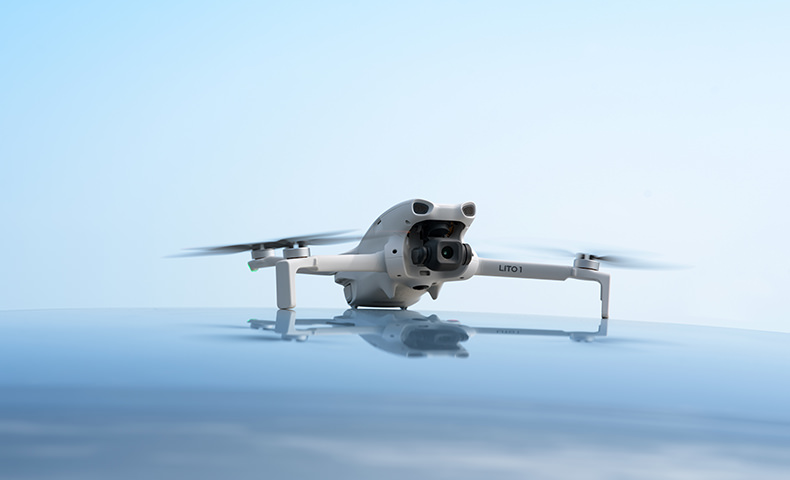
Crisp Imaging, Brilliant Visuals
Equipped with a 1/2-inch sensor, DJI Lito 1 records 4K/60fps videos[3] and captures up to 8K photos[4]. From action-packed moments to serene landscapes, it preserves your memories in rich, vivid detail, keeping them fresh.
8K Photos[4], Rich in Detail
Capture beautiful moments in up to 8K resolution[4]. These photos retain sharp, rich details even when zoomed in or cropped. Whether shared instantly or edited in post, the images deliver impressive depth and a premium look, making it effortless to capture high-quality shots.
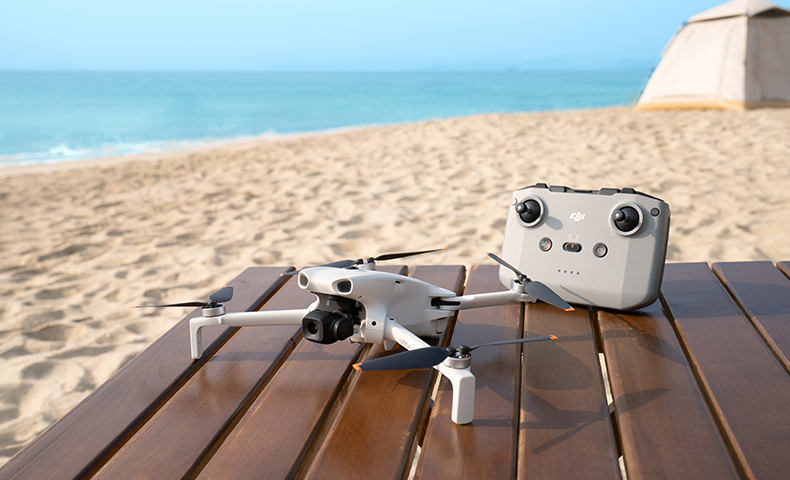
High-Quality Videos for Big Moments
4K/60fps Video[3]
Smoothly capture scenic landscapes and dynamic lighting on your travels. The footage remains fluid and free of motion blur, with true-to-life colors that make your playback feel incredibly immersive.
4K/100fps Slow Motion[3]
Perfectly capture fast-paced action, from running athletes to splashing waves. Slow down fleeting moments to highlight rich details and create visually dramatic, high-impact scenes.
2.7K Vertical Recording[3]
Record vertical videos optimized for smartphone viewing. Capture exciting moments ready to be shared directly to social media, ensuring a seamless workflow from flight to post.
.jpg)
Smart Modes for Intuitive Creation
DJI Lito 1 features a variety of intelligent modes. Simply select a function, and the drone performs complex camera moves automatically. Even beginners can effortlessly capture and edit stunning footage in one seamless process.
Stay in Frame With ActiveTrack[2]
ActiveTrack supports multi-scenario tracking at speeds up to 12 m/s[8], reducing the need for advanced piloting skills. Once engaged, the camera stays locked on the subject, effortlessly delivering smooth, high-quality tracking videos.
Smart Camera Moves at Your Fingertips
QuickShots
Automatically performs classic camera moves like Dronie, Rocket, Circle, and Helix. Generates dynamic, eye-catching short videos with just a tap.
MasterShots
Intelligently generates flight paths for portraits, close-ups, or landscapes based on the environment. Records and edits automatically, making impressive videos accessible to beginners.
Hyperlapse
Compresses moving clouds or bustling traffic into seconds. Captures the passage of time and shifting light to create visually striking, high-impact videos.
Panorama
Supports 180°, wide-angle, vertical, and sphere panorama photos. Captures vast landscapes or gives scenes a unique perspective, unlocking your creative possibilities.
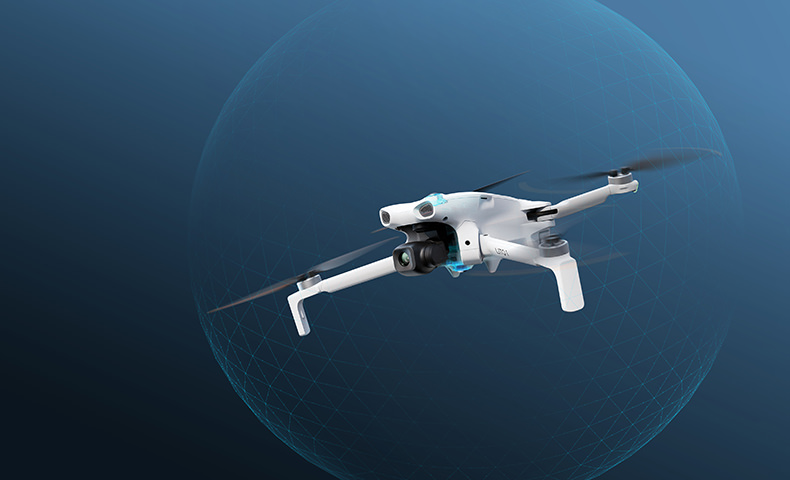
Safer Flights, More Confidence
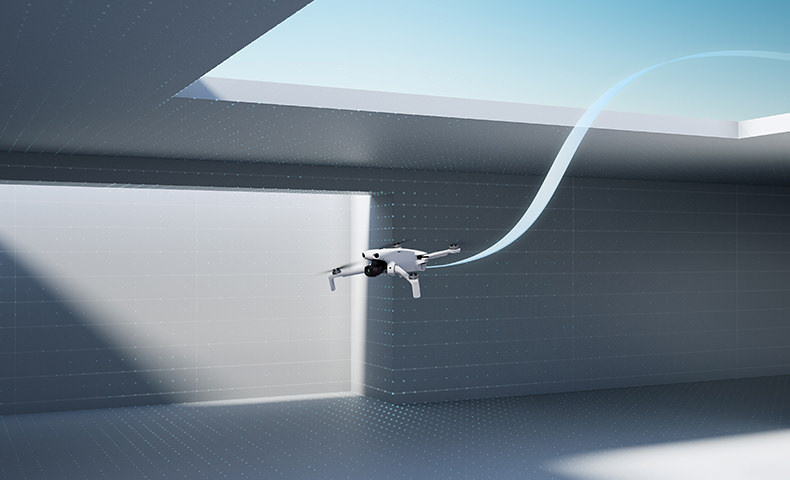
DJI Lito 1 offers a multi-layered safety system designed for beginners. From omnidirectional obstacle sensing[1] to practice on DJI Simulator and quick takeoff capabilities, it reduces flight anxiety so you can fly with ease every time.
Omnidirectional Obstacle Sensing[1]
DJI Lito 1 detects obstacles along its flight path in all directions and intelligently brakes or bypasses them[1]. This provides a smoother flying experience, empowering beginners to explore the skies with peace of mind.
Practice Safely With Simulator App
Available on iOS and Android, the DJI Simulator app helps you get familiar with flight controls in lifelike virtual environments. Build confidence with basic controls and explore smart features that help make flying easier, all from home.
Quick Takeoff and Reliable RTH Feature
In dense urban areas with weak satellite signals, DJI Lito 1 can take off quickly without waiting for a satellite fix. During the final stage of Return to Home (RTH), it can fly back along its original outbound flight path, helping ensure a safe return even with poor satellite signals[9].
Stable Transmission and Ample Flight Time
The DJI O4 video transmission pairs with ample battery time to let you explore further and see stable views, helping you capture memorable footage without worrying about transmission drops or battery depletion.
O4 Video Transmission for Stable Visuals
DJI O4 transmits a 1080p/60fps live view with a range of up to 15 km[7]. Enjoy fluid visuals for a responsive flying experience.
Extended Flight Time for More Creation
Flies up to 36 mins[6] with Intelligent Flight Battery, or 52 mins[6] with Intelligent Flight Battery Plus. More time. More to capture.
Create With Ease and Efficiency
From fast transfers to wind resistance, all these details are designed for a smoother, more reliable creative process.
QuickTransfer
With Wi-Fi 6, download 32 GB of footage wirelessly in just 11 minutes at the max speed[10].
Parallel Charging
The Charging Hub charges three batteries simultaneously[11], reducing wait time so you are ready to go.
Level 5 Wind Resistance
Resists Level 5 winds (10.7 m/s), which helps ensure stable hovering and reliable outdoor video capture.
Diverse Combos for Your Needs
DJI Lito 1 offers various combos to meet your flight needs. Choose your ideal setup and start capturing your life's highlights today.
* All videos and images on this page were shot using DJI Lito 1 by professionals in strict compliance with local laws and regulations and have been variously edited in post-production. All videos and images are for reference only. Actual results may vary. Always observe local laws and regulations and ensure the drone has obtained relevant certifications and airspace authorizations before flying.
** All data was tested using a production model DJI Lito 1 in a controlled environment. Actual experience may vary depending on the environment, usage, and firmware version.
*** All images, videos, and screen display contents about the product itself on this page are for reference only. Actual product effects (including but not limited to appearance, color, size) and screen display contents (including but not limited to backgrounds, UI, and illustrations) may vary.
- The omnidirectional vision system only assists flight safety under certain conditions and is not a substitute for your own judgment and control. During a flight, always pay attention to the surrounding environment and the warnings on the DJI Fly app, and be responsible for and maintain control of the drone at all times. When GNSS signals are unavailable, the optimal positioning altitude range for using the vision positioning system is 0.5 to 30 m. The vision positioning performance may decrease when flying beyond this range. Fly with caution. The vision system may not function properly when the drone is flying over water, which may prevent it from actively avoiding water surfaces below when landing. Operators should maintain control of the drone at all times, make operational decisions based on an assessment of the surrounding environment, and avoid relying solely on the vision system. The vision system cannot detect certain objects or surfaces, including large structures with frames and cables (e.g., tower cranes, high-voltage transmission towers, high-voltage transmission lines, cable-stayed bridges); surfaces with no texture or sparse texture; surfaces with repetitive identical patterns or textures (e.g., small tiles of the same color); solid-colored surfaces (e.g., pure black, pure white, pure red, pure green); strongly reflective or mirrored surfaces (e.g., ice, road signs); water or transparent surfaces; surfaces of moving objects (e.g., above moving crowds, above waving shrubs or grass); moving obstacles (e.g., walking people, moving vehicles); scenes with drastic lighting changes; surfaces that are extremely dark (e.g., less than 1 lux) or extremely bright (e.g., more than 100,000 lux); materials with strong infrared absorption or reflection properties (e.g., mirrors, glass, road signs, asphalt); small obstacles (e.g., fences, branches, power lines); and thin poles or small vertical objects (e.g., utility poles, street lamps). Do not obstruct or interfere with the sensing system under any circumstances. Ensure that all lenses remain clear, free from dirt, smudges, or other contaminants, and are not scratched. Vision system cameras may need to be calibrated after being stored for an extended period. A prompt will appear in the DJI Fly app and calibration will be performed automatically. Do not fly when it is rainy, smoggy, or the visibility is lower than 100 m. Before takeoff, inspect the sensing system's glass surfaces. Remove any protective film, stickers, or other obstructions. If water droplets, fingerprints, or smudges are present, clean the glass using a lint-free cloth. Do not use alcohol or other organic solvents. If the glass surface is loose, broken, scratched, or worn, send the drone to an authorized service center for repair. Refer to the product's user manual for more details.
- ActiveTrack can work properly only when certain flight conditions are met. See Footnote 1 to ensure the omnidirectional vision system is normal and avoid flying in the following environments or conditions: DO NOT fly in severe weather conditions, such as in strong winds (wind speed of more than 10.7 m/s), snow, rain, lightning, or fog. DO NOT fly the drone 4500 m or higher above sea level. DO NOT fly the drone in environments where the temperature is below 0° C (32° F) or above 40° C (104° F). DO NOT take off from moving objects, such as cars or boats. DO NOT fly close to reflective surfaces such as water or snow. Otherwise, the vision system may not work correctly. The vision system may not work properly in dim environments. Always fly with caution and prevent the drone from entering Attitude mode. DO NOT fly near areas with magnetic or radio interference. Common magnetic or radio interference sources include Wi-Fi hotspots, routers, Bluetooth devices, high-voltage lines, large-scale power transmission stations, radar stations, mobile base stations, and broadcasting towers. Avoid sand entering the drone when taking off in desert or beach areas. Fly the drone in open areas away from crowds. Buildings, mountains, and trees may block the GNSS signal and affect the onboard compass.
- Standard video recording supports up to 4K/60fps, slow-motion video recording supports up to 4K/100fps, and vertical recording supports 2.7K/60fps. 2.7K vertical recording is achieved via digital cropping.
- Photo resolution can reach up to 8K (48 MP). When the resolution is 8K (48 MP), SmartPhoto is unavailable. When the resolution is 4K (12 MP), SmartPhoto can be automatically enabled to apply algorithmic beautification.
- The actual product weight may vary due to differences in batch materials and external factors. Training or examination is not required for flying this product in most countries and regions. With the Intelligent Flight Battery Plus, the aircraft will weigh more than 249 g. Always check local laws and regulations before use. Please note that the Intelligent Flight Battery Plus is not supported by DJI Lito 1 in the EU or the UK. Always comply with local laws and regulations before flying.
- Using the Intelligent Flight Battery, the maximum flight time is 36 minutes. This is measured in a controlled wind tunnel environment under conditions equivalent to windless operation and sea-level altitude, with the drone flying forward at a constant speed of 21.6 kph, Obstacle Avoidance Action set to Brake and in photo mode, until forced landing due to battery depletion. The Intelligent Flight Battery Plus extends the flight time to 52 minutes when flying forward at a constant speed of 21.6 kph. However, the Intelligent Flight Battery Plus is not included in the combo. If needed, purchase it separately. Please note that the Intelligent Flight Battery Plus is not supported by DJI Lito 1 in the EU or the UK. Always comply with local laws and regulations before flying.
- Measured in an open outdoor environment without interference and with IC compliance. The above data shows the farthest communication range for one-way, non-return flights. Always pay attention to RTH reminders in the DJI Fly app during your flight.
- This value represents the forward speed of the aircraft in the tracking status. The maximum tracking speed in other directions is 8 m/s. Measured in a controlled wind tunnel environment under conditions equivalent to windless operation and sea-level altitude, with the aircraft ascending vertically to a height of 1.5 meters above the ground. Actual experience may vary depending on the environment, usage, and firmware version.
- Conditions for memorizing flight paths: The drone's front, back, left, right, and top sides are near textured surfaces with illuminance exceeding 10 lux. Similarly, the ground below is textured and diffusely reflective with a reflectivity above 20% (such as walls, trees, or people), also in lighting conditions with illuminance higher than 10 lux. For balcony takeoff, ensure at least 2 × 2 meters of space and a height below 30 meters above ground for safe return to home. If the drone reaches its altitude limit while ascending around obstacles, it will hover at that height.
- Measured in a laboratory environment with little interference in countries/regions that support both 2.4 GHz and 5.8 GHz. Download speeds may vary depending on the actual conditions. 11 minutes is estimated based on a maximum download speed of 50 MB/s for approximately 32 GB of footage. Actual experience may vary depending on environmental conditions and device performance.
- Parallel charging requires batteries of the same model and a PD-compatible charger with power output of 45 W or greater. During parallel charging, the two batteries with lower charge will first be sequentially charged to a level similar to the battery with the highest charge, after which all three batteries will be fully charged simultaneously.
- The actual product weight may vary due to differences in batch materials and external factors. Training or examination is not required for flying this product in most countries and regions. With the Intelligent Flight Battery Plus, the aircraft will weigh more than 249 g. Always check local laws and regulations before use.
- Standard aircraft weight (including the Intelligent Flight Battery and a microSD card). Actual product weight may vary due to differences in batch materials and other factors. Training or examination is not required for flying this product in most countries and regions. Always check local laws and regulations before use. Always check and strictly abide by local laws and regulations before flying.
- The measured weight excludes DJI Neo 2 Digital Transceiver. The actual product weight may vary due to differences in batch materials and external factors.
- Standard video recording supports up to 4K/60fps HDR, and slow-motion video recording supports up to 4K/100fps.
- Forward obstacle sensing is supported only when flying in the Normal mode and Cine mode and during return-to-home. Intelligent functions do not support obstacle sensing.
Product Specifications
Aircraft
Takeoff Weight: Standard Takeoff Weight: Approx. 249 g
Max Takeoff Weight: Approx. 340 g
The standard takeoff weight includes the Intelligent Flight Battery. The max takeoff weight includes the propeller guards, the Intelligent Flight Battery, and a microSD card. Actual product weight may vary due to differences in batch materials and other factors. With the Intelligent Flight Battery Plus, the aircraft will weigh more than 249 g. Always check and strictly abide by local laws and regulations before flying. The Intelligent Flight Battery Plus is not supported by DJI Lito 1 in the EU or the UK. Always comply with local laws and regulations before flying.
Dimensions: Folded (without propellers): 149×94×62 mm (L×W×H)
Unfolded (without propellers): 183×251×79 mm (L×W×H)
Max Ascent Speed: 7 m/s (Sport mode)
5 m/s (Normal mode)
3 m/s (Cine mode)
Max Descent Speed: 7 m/s (Sport mode)
5 m/s (Normal mode)
3 m/s (Cine mode)
Max Horizontal Speed: 18 m/s (Sport mode, using DJI Lito 1 Intelligent Flight Battery)
12 m/s (Normal mode)
12 m/s* (tracking status)
Measured in a controlled wind tunnel environment under conditions equivalent to windless operation and sea-level altitude, with the aircraft ascending vertically to a height of 1.5 meters above the ground. Actual experience may vary depending on the environment, usage, and firmware version. * This value represents the forward speed of the aircraft in the tracking status. The maximum tracking speed in other directions is 8 m/s.
Max Takeoff Altitude: 4500 m (using DJI Lito 1 Intelligent Flight Battery)
3500 m (using DJI Lito Series Intelligent Flight Battery Plus*)
In a windless environment, a fully charged aircraft using the Intelligent Flight Battery can take off from an altitude of 4500 m, ascend vertically by 120 m, and fly in Sport mode until the battery level drops to 20%. In the same environment, a fully charged aircraft using the Intelligent Flight Battery Plus can take off from an altitude of 3500 m, ascend vertically by 120 m, and fly in Sport mode until the battery level drops to 20%. Data is for reference only. Always pay attention to reminders on the camera view during your flight. * The Intelligent Flight Battery Plus is not supported by DJI Lito 1 in the EU or the UK. Always comply with local laws and regulations before flying.
Max Flight Time: 36 minutes (using DJI Lito 1 Intelligent Flight Battery)
52 minutes (using DJI Lito Series Intelligent Flight Battery Plus*)
Measured in a controlled wind tunnel environment under conditions equivalent to windless operation and sea-level altitude, with the aircraft flying forward at a constant speed of 21.6 kph, Obstacle Avoidance Action set to Brake, and the camera set to record at 1080p/24fps (but no active video recording), until a forced landing due to battery depletion. Actual experience may vary depending on the environment, usage, and firmware version. * The Intelligent Flight Battery Plus is not supported by DJI Lito 1 in the EU or the UK. Always comply with local laws and regulations before flying.
Typical Flight Time: 23 minutes (using DJI Lito 1 Intelligent Flight Battery)
37 minutes (using DJI Lito Series Intelligent Flight Battery Plus*)
Measured at sea level in a breezy environment, with the aircraft taking off with a fully charged battery, Obstacle Avoidance Action set to Brake, and the camera set to record at 4K/60fps. After takeoff, the aircraft ascends to 120 m and flies forward 1 km at 12 m/s before recording begins (about 15 minutes of recording with the Intelligent Flight Battery, and about 20 minutes with the Intelligent Flight Battery Plus). During recording, the aircraft adjusts gimbal movements and its flight position at speeds of up to 10 m/s over a total distance of approximately 2 km, while hovering for the remaining time. The aircraft hovers until a RTH reminder appears, then initiates auto RTH and completes a safe landing. Data is for reference only. Always pay attention to reminders in the app during your flight. * The Intelligent Flight Battery Plus is not supported by DJI Lito 1 in the EU or the UK. Always comply with local laws and regulations before flying.
Max Flight Distance: 20 km (using DJI Lito 1 Intelligent Flight Battery)
32 km (using DJI Lito Series Intelligent Flight Battery Plus*)
Measured in a controlled wind tunnel environment under conditions equivalent to windless operation and sea-level altitude, with the aircraft flying forward at a constant speed of 43.2 kph, Obstacle Avoidance Action set to Brake, and the camera set to record at 1080p/24fps (but no active video recording), until a forced landing due to battery depletion. Actual experience may vary depending on the environment, usage, and firmware version. * The Intelligent Flight Battery Plus is not supported by DJI Lito 1 in the EU or the UK. Always comply with local laws and regulations before flying.
Max Wind Speed Resistance: 10.7 m/s
Max Pitch Angle: 35°
Operating Temperature: 0° to 40° C (32° to 104° F)
Global Navigation Satellite System: GPS + Galileo + BeiDou
Hovering Accuracy Range: Vertical:
±0.1 m (with vision positioning)
±0.5 m (with satellite positioning)
Horizontal:
±0.3 m (with vision positioning)
±1.5 m (with satellite positioning)
Internal Storage: None
Class: C0 (EU)
Camera
Image Sensor: 1/2-inch CMOS, 48MP Effective Pixels
Lens: FOV: 79°
Format Equivalent: 26.2 mm
Aperture: f/1.8
Focus: 4 m to ∞
ISO Range: Video
Normal:
100-12800
Slow Motion:
100-12800
Photo
100-12800 (12 MP)
100-3200 (48 MP)
Shutter Speed: 12MP Photo: 1/8000-2 s (2.5-8 s for simulated long exposure)
48MP Photo: 1/8000-2 s
Max Image Size: 8000×6000
Still Photography Modes: Single Shot: 12 MP and 48 MP
Burst Shooting: 12 MP, 3/5 frames
Automatic Exposure Bracketing (AEB): 12 MP, 3/5 frames at 2/3 EV step
Timed: 12 MP, 2/3/5/7/10/15/20/30/60 s
Photo Format: JPEG/DNG (RAW)
Video Resolution: H.265
4K: 3840×2160@24/25/30/48/50/60/100*fps
FHD: 1920×1080@24/25/30/48/50/60/100*fps
2.7K Vertical Shooting: 1512×2688@24/25/30/48/50/60fps
H.264
FHD: 1920×1080@24/25/30/48/50/60fps
2.7K Vertical Shooting: 1512×2688@24/25/30/48/50/60fps
* Recording frame rates. The corresponding video plays as a slow-motion video. Slow-motion videos and 4K video recordings only support H.265 encoding.
Video Format: MP4 (MPEG-4 AVC/H.264, HEVC/H.265)
Max Video Bitrate: 130 Mbps
When shooting 4K/100fps video with DJI Lito 1, the video encoding bitrate can reach up to 130Mbps, corresponding to a video stream frame rate of 100fps. However, since slow-motion video files are encapsulated at 25fps, the video length displayed on the player is four times the recording duration, and the bitrate of the parsed encapsulated file is approximately one-fourth of the original encoding bitrate.
Supported File System: exFAT
Color Mode and Sampling Method: Normal:
8-bit 4:2:0 (H.264)
10-bit 4:2:0 (H.265)
Camera FOV: Wide
Digital Zoom: Video
4K: 1-3x
FHD: 1-4x
2.7K Vertical Shooting: 1-3x
Photo
12 MP: 1-3x
48 MP: 1-3x
Gimbal
Stabilization: 3-axis mechanical gimbal (tilt, roll, pan)
Mechanical Range: Tilt: -126° to 67°
Roll: -49° to 49°
Pan: -30° to 30°
Controllable Range (Tilt): -90° to 40°
Max Control Speed (Tilt): 100°/s
Angular Vibration Range: ±0.01°
Sensing
Sensing Type: Omnidirectional monocular vision system, supplemented with an infrared sensor at the bottom of the aircraft
Forward: Detection Range: 0.5-20 m
Effective Sensing Speed: Flight Speed ≤ 12 m/s
Backward: Detection Range: 0.5-15 m
Effective Sensing Speed: Flight Speed ≤ 8 m/s
Lateral: Detection Range: 0.5-15 m
Effective Sensing Speed: Flight Speed ≤ 8 m/s
Upward: Detection Range: 0.5-15 m
Effective Sensing Speed: Flight Speed ≤ 5 m/s
Downward: Detection Range: 0.5-15 m
Effective Sensing Speed: Flight Speed ≤ 5 m/s
Downward-Facing Infrared Sensor: Measurement Range: 0.3-8 m (reflectivity > 10%)
Operating Environment: Forward, Backward, Left, Right, and Upward:
Surfaces with discernible patterns and adequate lighting (lux > 5, normal indoor lighting conditions)
Downward:
Surfaces with discernible patterns, diffuse reflectivity > 20% (e.g., walls, trees, people), and adequate lighting (lux > 5, normal indoor lighting conditions)
Video Transmission
Video Transmission System: O4
Live View Quality: With Remote Controller: Up to 1080p/60fps
Operating Frequency: 2.4000-2.4835 GHz
5.1700-5.2500 GHz
5.7250-5.8500 GHz
Operating frequency allowed varies among countries and regions. Refer to local laws and regulations for more information.
Transmitter Power (EIRP): 2.4 GHz:
< 30 dBm (IC)
< 20 dBm (CE/SRRC/MIC)
5.1 GHz:
< 23 dBm (CE)
5.8 GHz:
< 30 dBm (IC)
< 30 dBm (SRRC)
< 14 dBm (CE)
Max Transmission Distance (unobstructed, free of interference): IC: 15 km
CE: 8 km
SRRC: 8 km
MIC: 8 km
Measured in an open, outdoor environment without interference or obstructions and represents the farthest communication range under each standard. The actual max transmission distance during flight is limited by the drone's max flight distance. Always pay attention to RTH reminders on the camera view during your flight.
Max Transmission Distance (unobstructed, with interference): Strong Interference (urban landscape): Approx. 1-1.5 km
Medium Interference (suburban landscape): Approx. 2.5-7 km
Low Interference (suburb/seaside): Approx. 7-10 km
Measured under IC standard in unobstructed environments with typical interference. Used for reference purposes only and provides no guarantee for actual transmission distance.
Max Transmission Distance (obstructed, with interference): Low Interference and Obstructed by Buildings: Approx. 0-0.5 km
Low Interference and Obstructed by Trees: Approx. 0.5-1.5 km
Measured under IC standard in obstructed environments with typical low interference. Used for reference purposes only and provides no guarantee for actual transmission distance.
Max Download Speed: O4:
10 MB/s (with DJI RC-N3 Remote Controller)
10 MB/s (with DJI RC 2)
Wi-Fi 6:
Up to 50 MB/s*
* Measured in a laboratory environment with little interference in countries/regions that support both 2.4 GHz and 5.8 GHz. Download speeds may vary depending on the actual conditions.
Lowest Latency: With Remote Controller: Approx. 120 ms
Depending on the actual environment and mobile device.
Antenna: 2 antennas (1T2R)
Wi-Fi
Protocol: 802.11 a/b/g/n/ac/ax
Operating Frequency: 2.4000-2.4835 GHz
5.7250-5.850 GHz
Operating frequency allowed varies among countries and regions. Refer to local laws and regulations for more information.
Transmitter Power (EIRP): 2.4 GHz:
< 20 dBm (IC/CE/SRRC/MIC)
5.8 GHz:
< 23 dBm (IC/SRRC)
< 14 dBm (CE)
Bluetooth
Protocol: Bluetooth 5.4
Operating Frequency: 2.4000-2.4835 GHz
Operating frequency allowed varies among countries and regions. Refer to local laws and regulations for more information.
Transmitter Power (EIRP): < 10 dBm
Battery
Capacity: DJI Lito 1 Intelligent Flight Battery: 2590 mAh
DJI Lito Series Intelligent Flight Battery Plus*: 4680 mAh
* The Intelligent Flight Battery Plus is not supported by DJI Lito 1 in the EU or the UK. Always comply with local laws and regulations before flying.
Weight: DJI Lito 1 Intelligent Flight Battery: Approx. 79 g
DJI Lito Series Intelligent Flight Battery Plus*: Approx. 118 g
* The Intelligent Flight Battery Plus is not supported by DJI Lito 1 in the EU or the UK. Always comply with local laws and regulations before flying.
Nominal Voltage: DJI Lito 1 Intelligent Flight Battery: 7.32 V
DJI Lito Series Intelligent Flight Battery Plus*: 7.16 V
* The Intelligent Flight Battery Plus is not supported by DJI Lito 1 in the EU or the UK. Always comply with local laws and regulations before flying.
Max Charging Voltage: DJI Lito 1 Intelligent Flight Battery: 8.6 V
DJI Lito Series Intelligent Flight Battery Plus*: 8.6 V
* The Intelligent Flight Battery Plus is not supported by DJI Lito 1 in the EU or the UK. Always comply with local laws and regulations before flying.
Battery Type: Li-ion
Chemical System: LiNiMnCoO2
Energy: DJI Lito 1 Intelligent Flight Battery: 18.96 Wh
DJI Lito Series Intelligent Flight Battery Plus*: 33.51 Wh
* The Intelligent Flight Battery Plus is not supported by DJI Lito 1 in the EU or the UK. Always comply with local laws and regulations before flying.
Charging Temperature: 5° to 40° C (41° to 104° F)
Charging Time: DJI Lito 1 Intelligent Flight Battery:
1 battery can be fully charged in approx. 73 minutes by charging through the drone using the DJI 65W Portable Charger.
1 battery can be fully charged in approx. 45 minutes using the Charging Hub and DJI 65W Portable Charger.
3 batteries can be fully charged in approx. 87 minutes using the Charging Hub and DJI 65W Portable Charger.
DJI Lito Series Intelligent Flight Battery Plus*:
1 battery can be fully charged in approx. 102 minutes by charging through the drone using the DJI 65W Portable Charger.
1 battery can be fully charged in approx. 56 minutes using the Charging Hub and DJI 65W Portable Charger.
3 batteries can be fully charged in approx. 130 minutes using the Charging Hub and DJI 65W Portable Charger.
Charging time is measured in a test environment with a temperature of 25°C. Actual charging time may increase due to higher ambient temperatures or variations in mains voltage between regions. * The Intelligent Flight Battery Plus is not supported by DJI Lito 1 in the EU or the UK. Always comply with local laws and regulations before flying.
Battery Charging Hub
Input: 5 V/9 V/12 V/15 V/20 V, up to 3.25 A
Output (charging): 5 V/9 V/12 V/15 V/20 V, up to 3 A
Charging Type: DJI Lito 1 Intelligent Flight Battery: Three batteries charged in parallel*
DJI Lito Series Intelligent Flight Battery Plus**: Three batteries charged in parallel*
* Parallel charging requires batteries of the same model and a PD-compatible charger with power output of 45 W or greater. During parallel charging, the two batteries with lower charge will first be sequentially charged to a level similar to the battery with the highest charge, after which all three batteries will be fully charged simultaneously. ** The Intelligent Flight Battery Plus is not supported by DJI Lito 1 in the EU or the UK. Always comply with local laws and regulations before flying.
Compatibility: DJI Lito 1 Intelligent Flight Battery
DJI Lito Series Intelligent Flight Battery Plus*
* The Intelligent Flight Battery Plus is not supported by DJI Lito 1 in the EU or the UK. Always comply with local laws and regulations before flying.
Charger
Recommended Charger: DJI 65W Portable Charger
USB Power Delivery chargers
Storage
Recommended microSD Cards: Lexar Silver plus 64GB A2 V30 microSDXC
Lexar Silver plus 128GB A2 V30 microSDXC
Lexar Silver plus 256GB A2 V30 microSDXC
Lexar Silver plus 512GB A2 V30 microSDXC
Lexar Silver plus 1TB A2 V30 microSDXC
Kingston CANVAS GO! Plus 64GB A2 V30 microSDXC
Kingston CANVAS GO! Plus 128GB A2 V30 microSDXC
Kingston CANVAS GO! Plus 256GB A2 V30 microSDXC
Kingston CANVAS GO! Plus 512GB A2 V30 microSDXC
DJI RC-N3 Remote Controller
Max Operating Time: Without Charging Any Mobile Device: 3.5 hours
When Charging a Mobile Device: 1.5 hours
Operating Temperature: -10° to 40° C (14° to 104° F)
Charging Temperature: 5° to 40° C (41° to 104° F)
Charging Time: Approx. 2 hours
Charging Input: 5 V, 2 A
Battery Capacity: 2600 mAh
Weight: Approx. 320 g
Dimensions: 104.2×150×45.2 mm (L×W×H)
Max Supported Mobile Device Size: 180×86×10 mm (L×W×H)
Operating Frequency: 2.4000-2.4835 GHz
5.170-5.250 GHz
5.725-5.850 GHz
Operating frequency allowed varies among countries and regions. Refer to local laws and regulations for more information.
Transmitter Power (EIRP): 2.4 GHz:
< 33 dBm (FCC)
< 20 dBm (CE/SRRC/MIC)
5.1 GHz:
< 23 dBm (CE)
5.8 GHz:
< 33 dBm (FCC)
< 14 dBm (CE)
< 30 dBm (SRRC)
App
Mobile Device App: DJI Fly
Required Operating System: iOS 13.0 or later
Android 7.0 or later
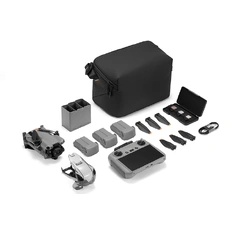
In the box
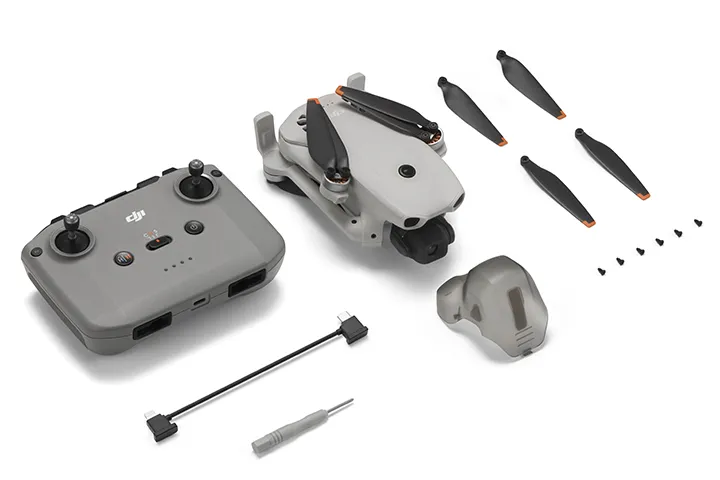
DJI Lito 1 × 1
DJI RC-N3 Remote Controller × 1
DJI RC-N Series RC Cable (Lightning Connector) × 1
DJI Lito 1 Gimbal Protector × 1
Documents (Quick Start Guide, Safety Guidelines, and DJI Logo Stickers) × 1
Screwdriver × 1
DJI Mini 3/Lito Series Spare Propellers (Pair) × 1
DJI Lito 1 Intelligent Flight Battery × 1
WHY BUY FROM US?
By buying from Ferntech, you'll have the confidence that you are dealing directly with New Zealand's leading drone experts. Our staff are knowledgable drone pilots who offer expert advice, trusted support and superior specialist service. Only through us will you receive a full New Zealand warranty, phone and email support, and access to our certified Repairs Centre with DJI-qualified drone technicians. And we guarantee that we will have the best prices on the market — if not let us know and we will match any price (conditions apply).
Warranty Details
1 year warranty
There's currently no reviews for this product, be the first to write one.
Related Products
$609.00